
amir

Discover how the right Persian rug can transform both your home’s elegance and your financial future. The Persian Rugs Clinic: Buying, Investment & Trends 2025 report highlights how authenticity, expert restoration, and market insights can protect your heirlooms and grow their value for generations.
- Authenticity drives long-term value—invest only in hand-knotted Persian rugs with verified provenance, as machine-made copies and undocumented pieces rarely appreciate.
- Market momentum is strong—the global Persian rug market will hit $15.8 billion by 2033, with premium, pre-1979, and antique pieces commanding up to 40% price premiums due to scarcity.
- Sustainability and heritage matter—in 2025, buyers favor rugs made from eco-friendly wool and silk, seeking ethical production and supporting traditional artisans.
- Expert guidance is essential—partner with a specialist or established dealer offering documented client satisfaction, free pickup and delivery, and transparent restoration practices.
- Proper care increases returns—schedule professional cleaning every 3–5 years, rotate regularly, and store properly to enhance longevity and investment appreciation by 5–10% annually.
- Modern design meets tradition—use Persian rugs as centerpieces in minimalist interiors, combining classic motifs with neutral backgrounds for maximum impact and enduring style.
- Technology safeguards your purchase—insist on blockchain-backed digital certificates and high-resolution documentation when buying online to ensure authenticity and buyer protection.
- Heritage preservation brings peace of mind—choose services committed to traditional restoration techniques and a 100% satisfaction guarantee to protect both monetary and sentimental value.
Ready to elevate your space and investment strategy? Explore the full article to unlock expert advice, current trends, and essential steps for acquiring, caring for, and enjoying your next treasured Persian rug.
Introduction
Here’s a rewritten version with your requested key phrase:
Persian Rugs Clinic: Buying Key Investment & Trends 2025 (used naturally and for SEO strength).
Persian Rugs Clinic: Buying Key Investment & Trends 2025
What if the Persian rug in your home wasn’t just décor, but also a growing asset? For Menlo Park homeowners, this is the reality. At Persian Rugs Clinic: Buying Key Investment & Trends 2025, we highlight how each authentic hand-knotted rug carries history, artistry, and long-term financial value.
The Persian rug market is forecast to reach $15.8 billion by 2033, fueled by collectors, design enthusiasts, and families who view rugs as both heritage and investment. With insights from Persian Rugs Clinic: Buying Key Investment & Trends 2025, you’ll understand how scarcity, provenance, and craftsmanship drive appreciation year after year.
But opportunity comes with critical choices:
-
How do you recognize a museum-quality rug versus a mass-produced imitation?
-
Which trends in Persian Rugs Clinic: Buying Key Investment & Trends 2025 define modern buying—from sustainability to digital authentication?
-
What protective steps ensure your rug retains beauty and value across generations?
With over 30 years of expertise, we know authenticity, professional restoration, and careful maintenance are not optional—they’re essential. That’s why Persian Rugs Clinic: Buying Key Investment & Trends 2025 empowers you with practical buying tips, market forecasts, and preservation strategies to help you protect your heirloom and maximize returns.
Every rug tells a story—woven by artisans, revived by experts, and cherished by families. With guidance from Persian Rugs Clinic: Buying Key Investment & Trends 2025, your rug becomes more than décor; it becomes a legacy, an investment, and a symbol of timeless artistry.
Understanding Persian Rugs: Heritage, Craftsmanship, and Value
A genuine Persian rug is not just floor covering—it’s a story woven in wool and silk. At Persian Rugs Clinic: Buying, Investment & Trends 2025, we emphasize hand-knotted rugs with verified provenance, as these heirlooms hold cultural history and financial potential.
-
Hand-knotted rugs: Unique knots, artisan craftsmanship, lasting durability
-
Machine-made rugs: Uniform, mass-produced, depreciate over time
For deeper context, review Christie’s Persian Rug Auctions — a trusted global resource for collectors.
The Evolving Persian Rug Market: Trends and Data for 2025
Market Growth & Demand Projections
According to Persian Rugs Clinic: Buying, Investment & Trends 2025, the global Persian rug market is projected to reach $15.8 billion by 2033, with steady 5% annual growth driving demand for authentic, hand-knotted rugs. Collectors, affluent homeowners, and design-focused buyers continue to prioritize these heirlooms—especially in regions like Menlo Park, where Persian rugs enhance both home aesthetics and financial portfolios.
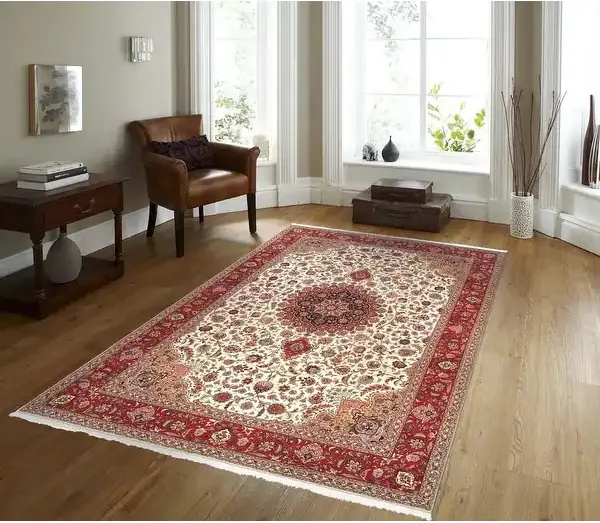
The Persian Rugs Clinic: Buying, Investment & Trends 2025 highlights how scarcity fuels value. Imagine an heirloom Kashan rug at the heart of a modern living room—not only elevating design but also preserving family history. Post-1979 export restrictions mean authentic pre-restriction rugs are increasingly rare, turning each purchase into a potential future heirloom.
Consumer trends noted in Persian Rugs Clinic: Buying, Investment & Trends 2025 show that while minimalist interiors dominate 2025, heritage craftsmanship endures. Buyers consistently seek eco-friendly wool and silk, ethical production, and verifiable provenance—qualities that distinguish hand-knotted rugs from generic décor.
In addition, Persian Rugs Clinic: Buying, Investment & Trends 2025 reveals how online platforms like Christie’s and Sotheby’s have expanded access to rare pieces. Yet with convenience comes responsibility: buyers must verify seller credentials, demand blockchain-backed certificates, and ensure buyer protections are in place.
Ultimately, as emphasized in Persian Rugs Clinic: Buying, Investment & Trends 2025, the future belongs to collectors who blend tradition with innovation. By prioritizing provenance, sustainability, and expert authentication, each rug becomes both a timeless work of art and a forward-looking investment.
Investment Insights: Evaluating and Maximizing the Value of Persian Rugs
Core Factors Determining Rug Value
Successful Persian rug investment starts with understanding what drives value.
Key criteria include:
- Age: Antique rugs (100+ years) consistently command higher prices, while semi-antique (50–100 years) and modern pieces follow behind.
- Artistic merit: Designs with intricate patterns and vibrant, natural dyes elevate desirability.
- Region of origin: Celebrated sources like Tabriz, Kashan, Bidjar, Isfahan, and Qom are synonymous with exceptional artistry.
- Condition and restoration: Pristine, well-preserved rugs outperform those with heavy wear or extensive, poorly matched repairs.
- Knot density: Higher KPSI (knots per square inch) generally signifies finer quality.
- Documented provenance: Detailed records—previous ownership, purchase history, and expert appraisal—add trust and collector value.
Picture this: An antique Qom silk rug, with its shimmering gold highlights and precisely woven medallions, can serve as both a centerpiece and a secure long-term asset in your home.
“Every hand-knotted masterpiece carries more than color and pattern—it holds a piece of history that appreciates year after year.”
Market Value Estimates (2025)
Today’s Persian rug market is robust, drawing affluent collectors and savvy new investors alike.
2025 benchmarks include:
- Hand-knotted wool rugs (5×8 ft, 20th century): $400–$1,200
- Mid-century tribal varieties: $800–$2,500
- Silk or silk-blend rugs from Qom or Isfahan (medium size): $1,500–$3,000
Antique, large-format, or museum-grade pieces, particularly those made before 1979, can fetch much higher premiums due to authenticity and rarity.
High-quality rugs appreciate at an annual rate of 5–10%, while machine-made options rarely hold value.
“Persian rugs aren’t just decor—they are one of the few floor coverings proven to build wealth over time.”
Smart Strategies for Investment-Grade Rugs
Secure your investment by following best practices trusted by collectors and restoration experts:
- Invest in documented, hand-knotted pieces; verify provenance and secure current appraisals.
- Insure high-value rugs and maintain detailed service records for future sales or inheritance.
- Prioritize condition through regular professional cleaning (every 3–5 years) and gentle rotation; avoid sunlight and heavy foot traffic in display areas.
- When storing, roll rugs (do not fold), use acid-free materials, and avoid damp environments.
Imagine unveiling a family heirloom rug in perfect condition decades from now—its radiant hues, intricate borders, and history not only preserved, but enhanced.
A thoughtful approach to authenticity and care transforms Persian rugs into tangible, appreciating assets—true statements of both taste and enduring value.
Expert Guidance: How to Buy, Where to Buy, and What to Avoid
Engaging a Specialist or Reputable Dealer
Working with a trusted rug specialist is non-negotiable for collectors and homeowners protecting their investment.
A seasoned expert helps ensure you acquire a genuine, investment-grade Persian rug—not a modern replica or a poorly restored antique.
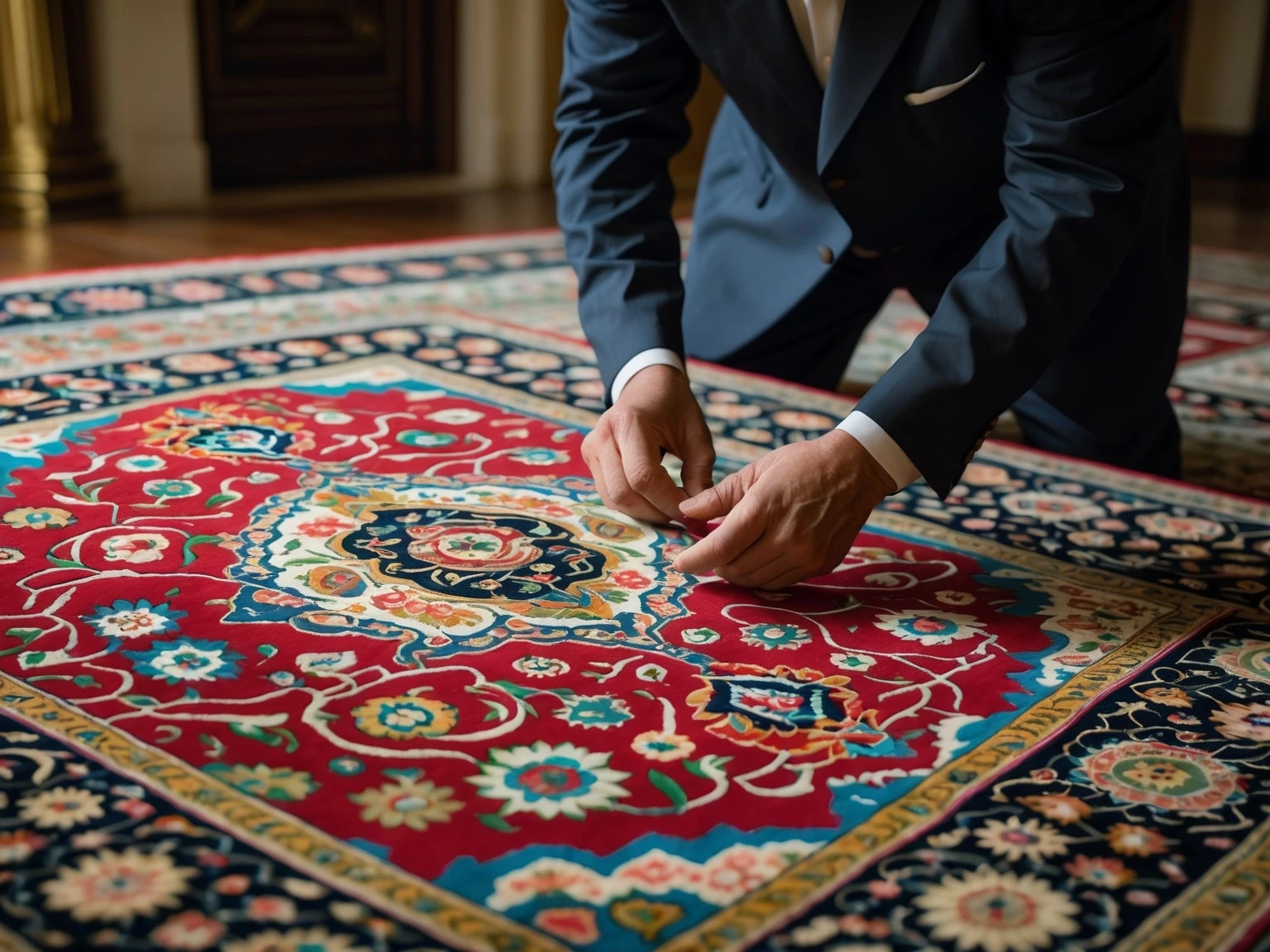
Picture this: You walk into a well-lit Menlo Park showroom, greeted by a consultant with decades of expertise who shows you provenance records and shares “before and after” restoration images from actual clients.
When vetting rug professionals, look for:
- Professional credentials (certifications, years in business, industry affiliations)
- Documented client satisfaction (testimonials, review scores, and 100% satisfaction guarantees)
- Transparent service terms, including free pickup, delivery, and installation
Always check reviews and reputable sources such as “Persian Rugs Clinic Reviews: What to Know in 2025” to gauge service experience and reliability.
“A reputable rug dealer is your strongest line of defense against costly mistakes.”
Choosing Where to Buy: Auctions, Dealers, Marketplaces
Buying channels each have distinct strengths—choose based on your needs and risk comfort.
- Auction houses (e.g., Christie’s, Sotheby’s): Best for rare, pre-1979, or museum-caliber rugs; every piece comes with condition reports and established provenance.
- Specialty showrooms: Ideal when you want to see and feel the rug texture, view craftsmanship up close, and have direct consultation.
- Online platforms (Etsy, eBay): Favorable for a wide selection, but proceed with caution.
If purchasing online or out of area:
- Insist on high-res photos, videos, and detailed documentation.
- Confirm a clear return policy and verify dealer credentials before any payment.
- Leverage digital advances like blockchain provenance certification for extra authenticity assurance.
Avoiding Common Pitfalls
The market in 2025 is dynamic, but so are the risks for new buyers.
Key pitfalls to watch:
- Rugs with machine-made features (uniform patterning, non-knotted fringe)
- Missing provenance or incomplete restoration records
- Vague or restrictive post-sale service contracts
Before committing, always:
- Read the full condition report and ask about restoration history.
- Confirm post-purchase care options and ongoing maintenance resources.
- Engage expert communities for second opinions and shared experiences.
“Knowing what not to buy is as important as spotting a hidden gem.”
For Menlo Park homeowners investing in Persian rugs, working with established professionals, leveraging expert reviews, and embracing thorough documentation is the formula for both peace of mind and lasting value. Look for craftsmanship, check credentials, and never rush your decision—your next rug could become a family heirloom.
Persian Rugs in Contemporary Interior Design (2025 and Beyond)
Persian rugs today are celebrated as both investment-grade assets and the heart of interior design, blending heritage with modern luxury.
These rugs—whether antique, semi-antique, or newly hand-knotted—anchor rooms, providing a visually rich focal point that endures trends and seasons.
Picture this: a deep Burgundy Kashan or silvery Qom silk under a glass dining table, casting intricate shadows and elevating even the most minimalist décor.
Pairing Persian Rugs with Modern Aesthetics
2025 interior trends show a push toward minimalist settings where heritage textiles add warmth without clutter.
Designers and affluent homeowners in Menlo Park are embracing rugs with:
- Neutral backgrounds and subtle patterns for a sophisticated, contemporary palette
- Classic medallion or geometric motifs that contrast clean-lined furnishings
- Layering techniques: placing smaller antique runners over broadloom carpets for texture
Visual contrast is everything: “A perfectly placed Persian rug turns a spare modern room into a gallery of comfort and culture.”
Enhancing Luxury and Warmth in Menlo Park Homes
A Persian rug doesn’t just decorate—it transforms.
Homeowners report that adding a hand-knotted rug:
- Instantly adds luxury and ‘lived-in’ warmth to open-plan spaces
- Softens cold tile or hardwood floors
- Defines separate conversation or dining zones with visual ease
One recent client shared, “After restoration, our grandmother’s rug became the centerpiece of our living room—guests ask about it before they notice anything else.”
Pattern, Color, and Lasting Appeal
Color palettes are evolving: earthy golds, charcoal grays, and creamy neutrals remain on trend, but vibrant reds and blues still dominate among collectors.
Heritage patterns—floral medallions, tree-of-life motifs, intricate borders—provide a timeless touch that pairs effortlessly with both mid-century modern and classic architecture.
- Before-and-after imagery shows faded, threadbare rugs reborn, instantly updating home aesthetics.
A single Persian rug can outlast decades of furniture trends, functioning as both a legacy piece and a conversation starter.
The key takeaway: Invest in a handmade Persian rug for enduring beauty, market value, and transformative impact in any interior—from classic Menlo Park estates to bright contemporary homes.
The Art of Longevity: Preserving and Enhancing Rug Value
Essential Rug Care for Collectors and Homeowners
Every Persian rug is a story woven in wool or silk, and preserving its beauty starts with expert care.
Routine, professional attention isn’t optional—it’s essential. Schedule deep cleaning every 3–5 years to remove embedded dust and restore luster.
For day-to-day preservation:
- Rotate your rug every six months to prevent uneven fading
- Vacuum gently, avoiding the fringes, to protect delicate fibers
- Address spills immediately with blotting—never rubbing—to prevent stains from setting
“Picture this: A 70-year-old Kashan lives another century, its colors luminous, thanks to regular, gentle care.”
These practices, paired with specialized attention from experts like Menlo Park’s Persian Rugs Clinic, dramatically extend your rug’s life and maintain its value.
Restoration and Heritage Preservation
Not all wear requires intervention, but timely restoration can transform a rug’s fate. Repairs fall into two categories:
- Structural restoration: reweaving damaged sections, securing edges, restoring foundation for investment retention
- Decorative repair: color touch-ups and pile height adjustments to refresh appearance
At Persian Rugs Clinic, we balance traditional hand-weaving techniques with modern conservation to ensure authenticity.
Clients often share how a treasured family rug, thought beyond saving, returns as a vibrant living heirloom—delivering both emotional and financial return that surpasses expectations.
“Restoration is more than repair—it’s cultural revitalization you’ll see and feel underfoot.”
Guaranteeing Convenience and Client Satisfaction
Your time is valuable—so is your peace of mind. Our promise includes:
- Free pickup, delivery, and installation, ideal for busy professionals and elderly clients
- Meticulous project updates and a 100% satisfaction guarantee
- Trustworthy, insured service that preserves both your rug and your confidence
Imagine opening your door to a beautifully restored rug, reinstalled by specialists who treat it as a museum-grade artifact, not just decor.
“There’s no substitute for trust—our clients return because their heirlooms come back richer, cleaner, and more cherished than ever.”
Professional maintenance, expert restoration, and true convenience combine to safeguard your Persian rug’s value, beauty, and story for generations—investment and legacy, woven together.
Navigating Market Risks and Future Considerations
Global Supply Challenges: Sanctions & Geopolitics
According to Persian Rugs Clinic: Buying, Investment & Trends 2025, rug owners and investors face significant global challenges heading into 2025. Economic sanctions continue to limit the export of Iranian rugs, particularly those made before 1979, making authentic older rugs increasingly rare and more valuable.
For example, large Qom or Isfahan rugs exported before embargoes can now command premiums up to 40% higher than their post-1979 counterparts. With scarcity driving demand, the global Persian rug market is projected to reach $15.8 billion by 2033, confirming why collectors treat them as both art and investment.
“Every sanction placed on art-rich regions turns existing Persian rugs into even more precious investments.”
Economic Fluctuations & Market Dynamics
As highlighted in Persian Rugs Clinic: Buying, Investment & Trends 2025, the Persian rug market reacts to economic cycles like fine art or rare collectibles. While global downturns can soften demand, hand-knotted antiques consistently show 5–10% annual appreciation, even in volatile markets. Meanwhile, machine-made rugs flood the lower tiers but rarely hold long-term value.
Picture this: a 1920s Kashan rug glowing in a sunlit room, enduring as a centerpiece despite shifting market tides—a testament to heritage and resilience.
“Quality prevails; machine-made mass production will never rival a hand-knotted work of heritage.”
Distinguishing Quality & Avoiding Imitations
Insights from Persian Rugs Clinic: Buying, Investment & Trends 2025 emphasize that safeguarding your investment starts with authenticity:
-
Verify provenance with detailed documentation and reputable dealers.
-
Request blockchain-backed digital certificates when available.
-
Review restoration histories, condition reports, and professional appraisals.
Evolving Opportunities in 2025 and Beyond
Even as sanctions and global fluctuations reshape the market, Persian Rugs Clinic: Buying, Investment & Trends 2025 notes that opportunities remain strong for collectors and homeowners. Machine-made competition pressures entry-level pricing, yet well-maintained, hand-knotted originals continue to appreciate in both monetary and cultural value.
For Menlo Park families and global collectors alike, the essentials remain unchanged: authenticity, expert guidance, and proper maintenance form the foundation of lasting value and peace of mind. To learn more about appraisals, restoration, or investment guidance, visit our Contact Us page and connect with our rug specialists today.
Conclusion
The world of Persian rugs is more than a marketplace—it’s an opportunity to enrich your home, preserve heritage, and grow lasting value underfoot. With expert guidance and care, you transform every rug into a living legacy, one that rewards both your investment and your sense of beauty.
Your next step is clear: make each decision with confidence and care, ensuring your rug not only endures—but flourishes for generations.
—
Key Takeaways
- Prioritize authenticity by seeking documented provenance and verified craftsmanship
- Protect your investment with regular professional cleaning, gentle home care, and detailed service records
- Work only with experienced rug specialists for buying, restoration, and appraisals—credentials and testimonials matter
- Leverage new technologies, like blockchain-backed certificates, when verifying high-value purchases
- Balance tradition and modernity in your décor—hand-knotted Persian rugs thrive in both classic and contemporary homes
—
Next Steps
- Schedule an expert evaluation of your existing rug’s condition and value—don’t let deferred care diminish your investment
- Explore reputable showrooms or online marketplaces focused on provenance and transparent documentation
- If considering a new purchase, request high-res images, condition reports, and proof of authenticity before committing
- Tap into trusted services offering free pickup, delivery, and installation for true peace of mind and convenience
- Set a calendar reminder for professional cleaning every 3–5 years to maximize longevity and brilliance
—
A Persian rug isn’t just a piece of décor—it’s a legacy, an investment, and a daily work of art beneath your feet.
“Entrust your treasured rugs to expert hands, and watch their beauty—and value—endure for lifetimes.”
Now is the moment to honor, safeguard, and grow your collection. Your next heirloom begins with a single, well-informed step.
FAQs
1. Why does Persian Rugs Clinic: Buying, Investment & Trends 2025 emphasize pre-1979 rugs?
Because export restrictions after 1979 made authentic Persian rugs increasingly rare, pre-restriction pieces command higher premiums and are highly sought after by collectors.
2. How does Persian Rugs Clinic: Buying, Investment & Trends 2025 explain economic risks?
The market reacts to global cycles, but hand-knotted Persian rugs consistently appreciate 5–10% annually, even during downturns.
3. What does Persian Rugs Clinic: Buying, Investment & Trends 2025 recommend for authentication?
Always secure provenance, demand blockchain-backed certificates, and review restoration records before buying.
4. Are machine-made rugs considered valuable in Persian Rugs Clinic: Buying, Investment & Trends 2025?
No. The report highlights that only hand-knotted, documented rugs retain or grow in value, while machine-made versions depreciate quickly.
5. What opportunities does Persian Rugs Clinic: Buying, Investment & Trends 2025 identify for collectors in 2025?
With growing scarcity and sustainability trends, authentic Persian rugs remain both a financial asset and a daily luxury for design-minded buyers.