
amir
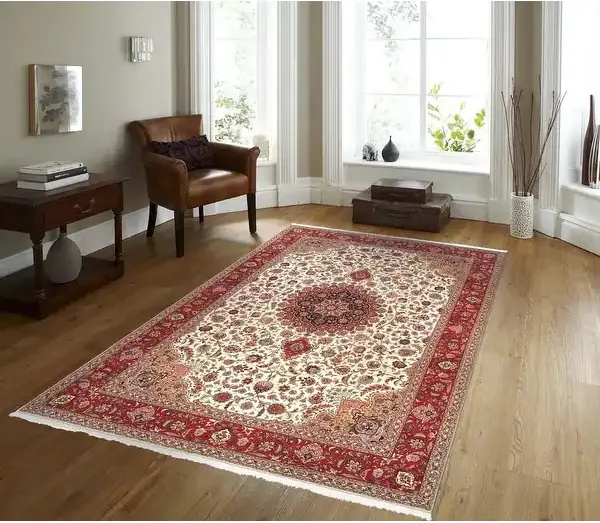
Types of Persian Rugs offer a world of heritage, artistry, and luxury. Understanding rug styles, regional craftsmanship, and iconic patterns helps you choose the perfect statement piece for your home while preserving an authentic cultural treasure.
- Persian rugs are defined by regional craftsmanship—choose among City (refined), Village (versatile), and Tribal (authentic) styles, each offering unique motifs, techniques, and cultural stories.
- Top collectible types include Tabriz, Kashan, Isfahan, Heriz, and Gabbeh—each prized for distinctive patterns, color palettes, and investment value, with some city rugs fetching over $10,000–$50,000 at auction.
- Pattern and motif choices signal heritage and style—opt for medallion or floral designs for formality or geometric tribal motifs for a bold, personal touch; signature elements like herati, boteh, and kheshti patterns tell unique cultural stories.
- 2025 color trends blend tradition and modernity—look for deep burgundy, gold accents, and indigos alongside new muted pastels, jewel tones, and distressed vintage finishes for on-trend, timeless appeal.
- Materials and craftsmanship drive both beauty and durability—select premium wool, silk, and cotton hand-knotted with densities up to 1,000 knots per inch for lasting luxury; ensure ethical, natural dyes for sustainable value.
- Professional care preserves legacy and investment—annual expert cleaning, restoration when needed, and free pickup, delivery, and installation guarantee your rug remains a treasured heirloom.
- Market value in 2025 hinges on age, origin, knot density, condition, and rarity—verified antique and expertly restored pieces consistently outperform newer or damaged examples by 20–40% in today’s premium market.
Choosing a Persian rug is an investment in heritage, artistry, and enduring style—explore the full article to discover how to select and care for the perfect piece that brings both history and beauty into your home.
Introduction
Picture this: A single rug—woven decades ago in Tabriz—sits at the heart of a modern Menlo Park home, its bursts of burgundy, gold, and cream anchoring an entire room’s personality. For families, collectors, and design-savvy homeowners alike, the story underfoot matters just as much as the one on your shelves.
Bringing a Persian rug into your home isn’t just about choosing a striking pattern. It’s about preserving legacy, honoring craftsmanship, and making an investment that elevates every space for generations.
But how do you distinguish between the intricate florals of a Kashan, the bold geometry of a Heriz, or the one-of-a-kind spontaneity in a tribal Gabbeh? And with 2025’s focus on sustainable artistry and heritage preservation, what sets apart truly collectible pieces from mere décor?
Whether you’re safeguarding a cherished heirloom or selecting your first investment, understanding the distinct styles, origin stories, and enduring materials behind each Persian rug unlocks a world of:
- Dramatic design impact—instantly transforming any room
- Lasting value—blending art, history, and cultural prestige
- Confidence in care—knowing when expert hands are essential for cleaning or restoration
You’ll discover not only what defines exceptional Persian rugs, but why their patterns, colorways, and craftsmanship hold enduring allure—especially for discerning Menlo Park homeowners seeking both beauty and peace of mind.
Ready to trace the threads that bridge timeless heritage and today’s design sensibilities? The journey begins with a closer look at the classifications and artistry shaping Persian rugs from the loom to your living space.
Understanding Persian Rug Classifications
Persian rugs are shaped by centuries of tradition, regional artistry, and family heritage.
Understanding their foundation begins with three distinct categories—each woven with its own story, technique, and purpose.
—
The Three Pillars of Persian Rug Types
Persian rugs are classified by:
- City/Traditional Rugs: Created in professional workshops, known for precision and complexity.
- Village/Town Rugs: Handcrafted in smaller towns, showcasing bolder motifs and practical beauty.
- Tribal/Nomadic Rugs: Woven by nomadic tribes, reflecting spontaneity and age-old symbolism.
These distinctions arise from geographic origin, weaving technique, and the types of wool, silk, or cotton used. Each is an artistic response to the environment and cultural traditions of its makers.
—
City Rugs (Traditional Workshop Production)
City rugs set the benchmark for refined craftsmanship and collectible value.
Picture the shimmering, meticulously detailed carpets rolled out at palace galas—these often hail from:
- Tabriz
- Kashan
- Isfahan
- Nain
- Qum
Their hallmarks include:
- High knot densities (sometimes exceeding 600,000 knots/m²)
- Intricate medallions, “herati” patterns, and floral motifs
- Balanced symmetry and soft, luxurious feel
Collectors seek city rugs for their timeless artistry, with certain Tabriz or Isfahan pieces fetching over $10,000 at auction. “Precision meets poetry—every knot tells the story of a master’s hand.”
—
Village and Town Rugs
Village and town rugs bridge classic elegance and humble practicality.
They’re treasured for:
- Slightly coarser weaves yet sturdy structure
- Striking, earthy color palettes: deep reds, blues, and creams
- Motifs rooted in local landscapes and traditions
Key origins include:
- Heriz (geometric medallions)
- Bakhtiari (garden/compartment layouts)
- Kerman, Mashad, Sarouk
Designers value them as versatile anchors for homes—from busy Menlo Park family rooms to dramatic foyers.
—
Tribal and Nomadic Rugs
Tribal rugs are woven memories, full of energy and spontaneity.
You’ll find:
- Vibrant natural dyes and saturated colors
- Improvisational geometric designs: stars, animals, symbolic motifs
- Unique irregularities, making each piece one-of-a-kind
Prominent styles come from:
- Gabbeh and Qashqai (expressive, primitive motifs)
- Shiraz, Afshar, Baluchi, Luri, Kurdish (distinct signatures per tribe)
These pieces tell tales of desert crossings and fireside weaving, evoking both adventure and authenticity—a true “heritage underfoot.”
—
Whether you’re drawn to city refinement or tribal vitality, recognizing these categories unlocks the meaning in every knot. Each rug embodies a living heritage—preserved not just in patterns, but in the culture, care, and craftsmanship passed from generation to generation.
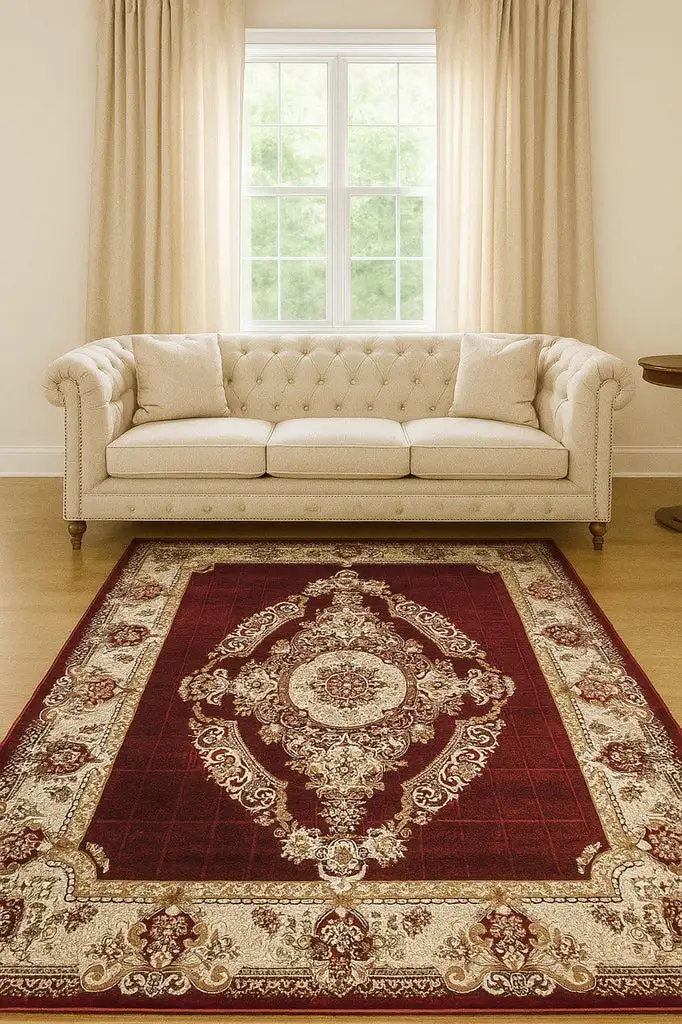
Signature Persian Rug Types and Regional Styles
Step into the world of Persian rugs and discover a landscape defined by regional mastery and artistic heritage.
Each rug type reveals stories of place, tradition, and innovation—making your rug selection as much about identity as decor.
Tabriz Rugs
Tabriz rugs are famed for their precise, high-density knotting and dynamic medallion or herati motifs.
Expect:
- Colorways of Persian blue, ivory, deep reds, and gold
- Exquisitely detailed arabesque and palmette designs
- 2025 trend: Modern Tabriz collections introduce stone-gray, slate, and muted sage for adaptable luxury
Picture this: A Tabriz rug’s swirling vinework commands attention beneath a glass coffee table, blending centuries-old craftsmanship with contemporary palettes.
“Tabriz rugs are where heritage meets today’s design vision.”
Kashan Rugs
Immerse in the elegance of Kashan rugs, defined by:
- Intricate ‘Shah Abbasi’ floral medallions and classic symmetrical layouts
- The finest wool and silk blends for a luxurious, substantial touch
- Consistent popularity among art curators and interior designers nationwide
Visual scenario: Imagine a Kashan rug anchoring a grand foyer, the central medallion echoing the symmetry of your home’s architecture.
“A true Kashan rug transforms any space with heritage and grace.”
Isfahan Rugs
Isfahan rugs embody artistic sophistication—think:
- Millefleur (thousand flowers) motifs, hunting scenes, and classic central medallions
- Soft, artistic palettes: cloud gray, cream, muted azure, blush
- Ultra-fine weaves prized as investible art, valued up to $50,000 for rare examples
Snap a close-up: the border blooms with lifelike blossoms, echoing centuries of Persian garden imagery.
“An Isfahan rug is a work of fine art beneath your feet.”
Heriz Rugs
Heriz rugs radiate bold geometry and strength.
Recognized for:
- Oversized geometric medallions and high durability
- Vibrant, earthy tones—brick, saffron, charcoal, and indigo
- 2025 trend: Surging demand for aged, distressed Heriz pieces in luxury living rooms
You’ll notice: Their rustic lines evoke confidence and casual elegance, making them a practical heirloom even in high-traffic spaces.
Gabbeh Rugs
Celebrate playful tradition with Gabbeh rugs:
- Thick, tactile pile for a warm, inviting feel
- Minimal or abstract tribal designs in primary or natural hues
- Sought-after for use in both gallery settings and cozy home corners
Social post idea: “A Gabbeh rug adds warmth, whimsy, and history—all in just a few square feet.”
Noteworthy Types at a Glance
Many other prestigious types complete the Persian tapestry:
- Bakhtiari: Garden (kheshti) compartment patterns, lively and symbolic of abundance
- Qum: Pictorial art in fine silk, used as showpieces or wall hangings
- Qashqai: Tribal and geometric, bold dyes, spirited storytelling
Collectors covet these types for their authenticity, rarity, and ties to Persian cultural identity.
—
Key takeaway: Each Persian rug style offers a distinct balance of artistry, heritage, and modern appeal, making your choice both an aesthetic statement and a preservation of history. Whether you seek intricate formality or tribal warmth, the perfect style ensures your home tells a story for generations.
Defining Persian Rug Patterns and Motifs
Central Motif Types
Persian rug patterns tell a story—one that instantly transforms a room’s aesthetic and signals generations of heritage.
Two dominant motifs define most Persian rugs:
- Medallion: A dramatic centerpiece, often circular or oval, anchoring the entire rug. Medallion designs command attention in city rugs like Tabriz and Isfahan, bringing balance and sophistication.
- Allover: Repeated patterns filling the field, without a central focal point. Allover layouts create visual harmony and are popular for both formal dining rooms and relaxed family spaces.
“Medallion rugs act as timeless anchors for luxury interiors—a single well-chosen piece reshapes an entire room.”
Floral & Curvilinear Patterns
Floral artistry is a hallmark of city workshop rugs—Isfahan, Kashan, and Tabriz are famed for these lush, elegant designs.
Look for:
- Millefleur (“thousand flowers”): Dense fields of blossoms and scrolling vines, suggesting abundance.
- Shah Abbasi palmettes: Stylized lotus blossoms, expertly woven in symmetrical arrays.
- Curvilinear vines: Flowing, painterly elegance echoing the gardens of Persian palaces.
These patterns celebrate beauty, renewal, and the lavish natural world—a tradition prized by collectors and design-conscious homeowners alike.
Picture this: golden light catching the soft shimmer of a floral Isfahan, its blossoms winding endlessly beneath your feet.
Geometric & Tribal Designs
In contrast to the refined lines of city rugs, tribal and village weavers favor bolder, angular motifs:
- Heriz rugs: Oversized geometric medallions, lozenges, and strong outlines.
- Qashqai, Shiraz, Bakhtiari: Dynamic zig-zags, stepped diamonds, and the famous “kheshti” compartment pattern dividing the field into vibrant panels.
Each handwoven design pulses with spontaneity and authenticity, often using high-contrast color for dramatic impact.
“Tribal patterns are visual signatures—no two are ever exactly alike, making each rug a true original.”
Signature Motifs Explored
Signature motifs across Persian rugs each carry layered symbolism:
- Herati (“fish” pattern): Diamonds with rosettes and acanthus leaves, found in Tabriz, Bidjar, and more.
- Boteh (paisley): Teardrop shapes, representing eternity, fertility, and the tree of life.
- Tree of Life: Stylized trees, often reaching through a central field, evoking paradise and spiritual connection.
- Garden/Compartment (kheshti): Fields of rectangles, each depicting a blooming plant—an iconic Bakhtiari motif for prosperity.
These designs “whisper stories of Persian culture with every knot and curve.”
Pattern Placement and Border Designs
Authentic Persian rugs masterfully integrate key motifs with intricate borders and cornerpieces. The border frames each visual story, adding:
- Layered bands: Main outer guard paired with secondary “running water” or floral guards.
- Careful symmetry: Creating a sense of equilibrium valued in both classic and modern homes.
A finely crafted Persian rug is a study in balance, where border and field interact for a seamless whole.
When you invest in a Persian rug, you’re selecting more than a floor covering—it’s heritage expressed through color and motif, ready to elevate even the most contemporary space. Every authentic piece offers a chance to make your home uniquely cultured, layered, and timeless.
Color Palettes and Artistic Trends: 2025 Insights
Persian rugs have always stood out for their rich, evocative color palettes, setting the tone in any room.
Traditional designs lean into saturated shades like:
- Deep burgundy and Persian red
- Intricate indigo and midnight blues
- Warm gold accents and radiant saffron
- Elegant cream, charcoal gray, and onyx
These colors, achieved with natural dyes, have defined luxury for centuries and pair beautifully with both classic and modern interiors.
2025 Color Trends Redefining Elegance
In 2025, designers are increasingly drawn to muted, modern palettes alongside traditional tones.
Expect to see:
- Soft pastels (blush pink, sky blue, sage green) for a refreshing update
- Jewel tones like malachite, amethyst, and topaz bringing depth and warmth
- Monochrome schemes—think creamy ivories, cozy taupes, gradations of charcoal—for minimalist spaces
- Vintage and distressed looks with intentionally faded dyes, worn-in patinas, and patchwork artistry
These trends speak to clients seeking a perfect blend of heritage and contemporary comfort.
“Today’s most coveted Persian rugs look as though they carry a story from a century ago—faded, touched by time, and impossibly chic.”
Artistic Finishes: From Washed to Distressed
Washed and distressed Persian rugs are highly sought after in 2025, with demand rising 30% year-over-year among design-forward homeowners (source: Interior Trends Report, 2025).
Buyers look for pieces with:
- Soft, sunwashed patinas
- Natural, varying intensity of dyes that reveal texture
- Blended or layered colors that feel effortlessly relaxed
Picture this: A bold Heriz rug, its reds and earth-tones muted to a vintage blur, draped over creamy oak floors in a sun-filled modern living room.
Natural Dyes and Sustainable Luxury
Eco-friendly, naturally dyed fibers are more than a trend—they’re a commitment to heritage and health.
2025 sees:
- Premium, hand-spun wools and silks dyed with botanical extracts
- Homeowners prioritizing rugs made with sustainable, ethical processes
- Recycled yarns and plant-based dyes blending traditional beauty with modern values
“Every Persian rug tells two stories—one of origin and another of how it was colored by nature’s palette.”
The defining color stories for Persian rugs in 2025 combine timeless elegance with new softness—from deep, storied reds to gentle pastels and charismatic faded finishes. For any design-focused home in Menlo Park, selecting a rug with the right palette is a statement in both heritage and style: Choose a piece that looks as elegant in natural light as it feels underfoot.
Materials, Techniques, and Craftsmanship
When you step onto a true Persian rug, you’re experiencing centuries of textile artistry underfoot.
The fibers used—wool, silk, and cotton—define not just the look, but also the longevity and tactile luxury of each rug.
- Wool: Celebrated for its resilience, plush texture, and ability to hold vibrant dyes. Most village and tribal rugs use high-grade wool that withstands decades of use.
- Silk: Adds shimmering elegance and ultra-fine detail, especially in city rugs like Qum or Isfahan; silk Persian rugs are often regarded as functional artworks and command premium values—sometimes exceeding $30,000 for collectible examples.
- Cotton: Chosen for warp and weft foundations in city and village rugs, offering strength yet subtle flexibility.
Picture this: A Kashan rug woven with silk highlights catching the golden light in your living room, its soft sheen signaling both artistry and rarity.
—
Weaving Techniques: Hand-Knotting and Loom Work
At the heart of every Persian rug lies the mastery of hand-knotting, a painstaking process that differentiates valuable city rugs from others.
- City (Workshop) Rugs: Created in professional ateliers, featuring up to 1,000 knots per square inch in top examples. This means exceptional pattern precision and durability—knots so fine they blur into luxurious tapestry.
- Village & Nomadic Rugs: Woven on vertical or horizontal looms, often outdoors or in the weaver’s home. These rugs have a lower knot count but radiate with bold, energetic designs and tactile warmth.
Each authentic Persian rug takes anywhere from weeks to several years to complete, depending on size, density, and complexity—a testament to unwavering patience and artistic heritage.
—
Heritage Methods and 2025’s Focus on Sustainability
Methods passed from master to apprentice over generations remain absolutely vital.
Modern homeowners are now insisting on:
- Ethically sourced wool and silk from trusted suppliers
- Natural vegetable dyes for authentic, eco-friendly coloring
- Recycled fibers or vintage reworking for sustainability without sacrificing artistry
Did you know: In 2025, over 30% of Persian rug buyers in luxury U.S. markets request sustainability credentials as part of their purchase—a powerful trend shaping the new era of rug collecting.
—
A lasting Persian rug is born from a blend of premium materials, patient handcraft, and enduring tradition. Choosing or preserving such a rug means investing in heritage and responsible luxury that only grows more meaningful with time.
Selecting and Caring for Persian Rugs in Contemporary Homes
Expert Tips: Choosing the Right Rug for Your Space
Selecting a Persian rug starts with understanding your living space’s identity—a Menlo Park home deserves a rug that enriches its unique style.
Consider these essentials before investing:
- Room scale: Opt for large-format Isfahan or Kashan rugs in open-plan areas for a statement, or choose smaller Heriz or Gabbeh pieces for intimate corners.
- Design goals: Bold Heriz medallions command attention in modern lofts; Tabriz and Kashan’s intricate florals suit graceful, traditional settings.
- Color and coordination: Pair muted neutrals or soft jewel tones to tie rooms together, reflecting both classic taste and 2025’s trending palettes.
“A Persian rug isn’t just decor, it’s a living treasure—chosen well, it becomes the soul of your home.”
Layout, Placement, and Color Coordination
A thoughtfully placed rug defines zones, invites gathering, and protects floors in high-traffic areas.
Key considerations for flawless integration:
- Position: Ensure dining tables and living room groupings rest fully on the rug to achieve a seamless look.
- Contrast: Balance richly patterned rugs with solid furniture or vice versa to prevent visual clutter.
- Lighting: Rugs with gold, deep burgundy, or cream reflect light and enhance warmth, especially in north-facing or shaded rooms.
“Picture this: an heirloom Qum silk rug casting light onto oak floors, its gilded edges glowing under dusk’s softening daylight.”
Caring for Heritage Rugs: Why Professional Service Matters
Preserving heirloom rugs means trusting expert hands for:
- Regular cleaning: We recommend annual professional deep cleaning—restoration services typically range from $7–$12 per square foot, but the difference in luster and preservation is dramatic.
- Restoration: Repairing frayed ends or faded dyes can turn a weary rug into a showpiece; typical turnaround ranges from 1–4 weeks depending on complexity.
- Full-service care: Our clients enjoy free pickup, white-glove delivery and installation, and a 100% satisfaction guarantee.
One homeowner shares, “Having our Kashan rug restored was like rediscovering a masterpiece—the peace of mind is priceless.”
Before & After: The Power of Expert Care
Imagine an aged, threadbare Heriz medallion:
- Stains and fading make it nearly invisible beneath furniture.
- After meticulous cleaning and restoration, its earthy reds and golds radiate warmth, transforming the entire room.
Heirloom rugs deserve more than cleaning—they warrant preservation, expertise, and artistry. Trust in tradition and modern professionalism ensures your Persian rug remains both a centerpiece and a legacy for years to come.
Market Trends and Collectibility: Value in 2025
Persian rugs have seen a surge in demand across Menlo Park’s homes and global collector markets—especially for pieces that showcase authentic heritage, vintage character, and expertly crafted distressed finishes. Both homeowners and investors view these rugs as “functional art with generational value.”
What Drives Price and Prestige?
If you’re evaluating a Persian rug’s worth in 2025, these key price influencers are essential to know:
- Age: Genuine antique rugs (80+ years) command the highest premiums.
- Region/Workshop: Rugs from Tabriz, Kashan, and Isfahan signal prestige and collectible status.
- Knot Density: Finer, hand-knotted rugs (over 300 knots per square inch) spell higher value and intricate design.
- Condition: Flawless or professionally restored pieces outperform damaged examples by 20–40% in today’s resale market.
- Rarity & Uniqueness: Limited runs, uncommon motifs, and signature master weavers dramatically boost collectibility.
A well-preserved Kashan with a dense floral medallion pattern, for instance, might fetch upwards of $15,000 at auction—a testament to its storied provenance and artistry.
Trends Shaping the 2025 Market: From Heritage to Contemporary
Picture this: A Tabriz masterwork in a modern Menlo Park living room, its deep reds and Persian blue faded just enough to evoke “lived-in luxury.” The result? “Old-world grandeur, perfectly in step with California’s contemporary style.”
Current market trends include:
- Vintage & Distressed Looks: Rugs with intentional patina—worn reds, muted indigos, sun-washed golds—are statement pieces prized for their character.
- Sustainable & Artisan Crafted: Eco-conscious buyers seek ethically sourced wool, natural dyes, and craftsmanship with historical integrity.
- Modern Integrations: Classic Persian motifs are now being woven into minimalist interiors, with soft blush or charcoal palettes offering a fresh twist.
Finding Investment-Caliber Rugs: Expert Guidance
The most discerning collectors and design-forward homeowners look for:
- Documentation: Provenance and workshop history.
- Rarity: Uncommon sizes, colors, signature artist features.
- Expert Verification: Trusted appraisal and restoration for authenticity and preservation.
“A true Persian rug doesn’t just decorate—it elevates your living space and portfolio,” is a phrase echoed by top clients and designers alike.
—
Whether designing a grand Menlo Park foyer or seeking a long-term investment, understanding timeless markers of value and current trends gives you an edge. In 2025, Persian rugs are more than décor—they’re living heritage, elegant status symbols, and wise investments for generations.
Conclusion
Investing in a Persian rug is more than enhancing your home—it’s about safeguarding a legacy, elevating artistic value, and experiencing daily luxury underfoot.
Each rug is a testament to heritage and craftsmanship, blending timeless patterns with today’s most sought-after interior trends.
Embrace your opportunity to enrich your living space while honoring generations of tradition.
—
- Prioritize authenticity by seeking rugs with clear origin, hand-knotted construction, and verified materials
- Work with trusted local experts who offer reliable restoration, cleaning, and appraisal to maintain your rug’s beauty and value
- Consider your home’s style and functionality—choose patterns and colorways that reflect both personal taste and enduring trends
- Request a professional consultation or in-home viewing to truly experience the character and artistry of potential selections
- Schedule annual professional care to ensure your treasured rugs remain vibrant, resilient, and investment-worthy
—
Start by contacting a reputable Persian rug specialist in Menlo Park—ask for white-glove pickup, expert assessment, or portfolio viewing tailored to your needs.
Share photos and dimensions of your rooms for curated rug suggestions, or bring your heirloom in for a restoration evaluation with our experienced team.
Your next Persian rug isn’t just décor—it’s a piece of living history, ready to become a signature legacy and daily inspiration.
Let your home tell a story that lasts for generations—the true art of Persian rugs begins right at your feet.
For more rug care insights, see
Professional Persian Rug Cleaning & Restoration Services
FAQs
1-What are the most popular Types of Persian Rugs for modern homes?
Tabriz, Heriz, and Gabbeh are trending.
2-Which Types of Persian Rugs hold the highest investment value?
City rugs like Isfahan, Qum, and Kashan often appreciate with age.
3- How do I identify authentic Types of Persian Rugs?
Look for:
-
Hand-knotted backs
-
Natural dye variation
-
Regional pattern consistency
A professional appraisal is recommended once per decade.
4-What Types of Persian Rugs work best in high-traffic areas?
Heriz and Bakhtiari are durable and easy to maintain.
5- Where can I learn more about Persian rug heritage?
Visit The Met Museum’s Islamic Art collection online for preserved masterpieces.
Whether you’re safeguarding a cherished heirloom or selecting your first investment, understanding the styles, history, and craftsmanship behind each Persian rug unlocks a world of heritage and value. Learn more in our Persian Rugs History and Types – Heritage, Value | Rugs Clinic.
Learn more about authentic weaving methods and natural materials used in Persian carpets through the V&A Museum’s Persian carpet collection:
https://www.vam.ac.uk/collections/persian-carpets