
amir
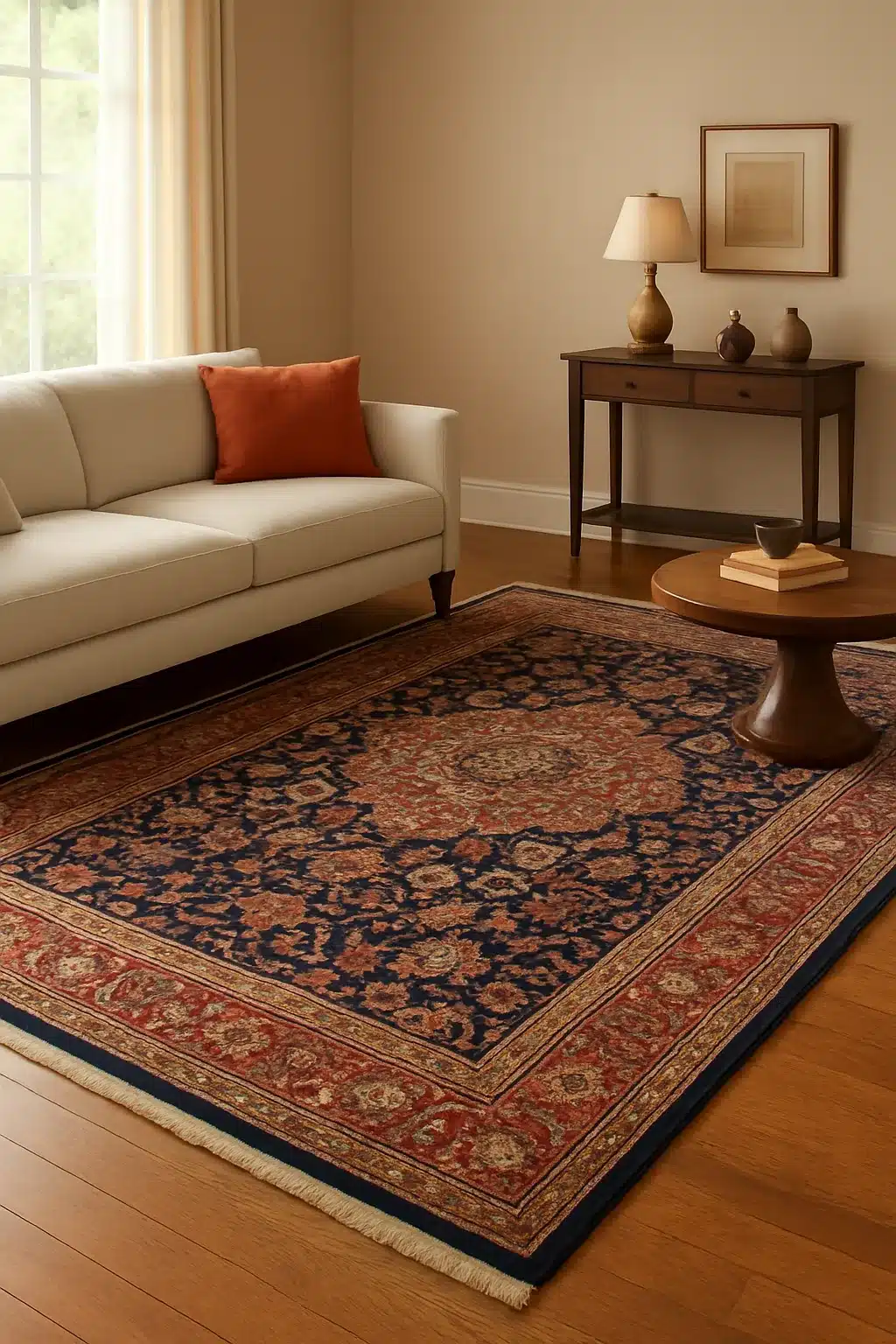
Choosing the right Persian rug is an investment in beauty, heritage, and lasting value. These expert-backed points distill what every discerning homeowner needs to know—ensuring you select a genuine piece that elevates your home and becomes a cherished heirloom.
- Always confirm authenticity by seeking hand-knotted rugs made in Iran with proper labels and certificates—avoid lookalikes marked “Indo-,” “Pakistan,” or “China.”
- Examine material quality and craftsmanship—true Persian rugs use natural wool, silk, or cotton, visible hand-knots, and warp-thread fringe, never synthetic blends or glued edges.
- Prioritize provenance and documentation—ask for a detailed certificate of origin, restoration history, and visible proof before purchasing to protect both value and legacy.
- Match design, color, and size to your space—choose distinctive regional patterns and rich earth tones that harmonize with your décor, measuring carefully for optimal fit and impact.
- Set a realistic budget and avoid red flags—be wary of “deep discounts” and insist on transparent pricing, secure payment, and dealer guarantees to safeguard your investment.
- Work only with reputable specialists—select sellers with 30+ years’ expertise, local testimonials, and full-service convenience like free pickup, delivery, and installation.
- Invest in ongoing professional care—annual cleanings and expert restoration protect your rug’s vibrancy, structure, and family heirloom status for generations.
- Document and share your rug’s story—professional appraisals, care records, and family history not only enhance value but celebrate the rug as a living legacy in your home.
For a deeper dive into choosing and caring for the perfect Persian rug, explore the full article—your next heirloom awaits expert hands and a beautiful home.
Introduction
Can a rug truly transform a room—or even become its heart? If you’ve ever paused to admire the rich, luminous reds and golds woven into a Persian carpet, you already know the answer is yes. For many Menlo Park homeowners, choosing the right Persian rug isn’t just about choosing décor. It’s about selecting a piece of art, a slice of heritage, and an investment that will anchor your home for generations.
Yet with the surge in imitations and online marketplaces, nearly four out of ten so-called “Persian rugs” sold today are mislabeled imitations, leaving even the most discerning buyers vulnerable to costly mistakes. Whether you’re preserving a cherished family heirloom or seeking the perfect rug to complement sophisticated interiors, knowing what to look for matters now more than ever.
With over 30 years of expertise, our team has seen countless clients transform their spaces—restoring faded heirlooms, uniting modern spaces with timeless motifs, and discovering investments that only grow more beautiful with time. Navigating these choices is about more than aesthetics; it’s knowing how to:
- Verify authenticity and provenance—so your rug retains both financial and sentimental value
- Identify premium materials and historic craftsmanship—wool, silk, and hand-knotted heritage you can feel underfoot
- Choose color, pattern, and size with precision—creating a room that feels custom-made for your life
- Find reputable sellers, secure full-service delivery, and enjoy peace of mind with a 100% satisfaction guarantee
- Protect your investment through expert cleaning, restoration, and guidance that honors every thread’s story
Each rug tells a tale—of artisans, families, and centuries of tradition interwoven in every knot. When you choose wisely, you’re not just decorating; you’re making a confident decision that will elevate your home and preserve a living legacy.
Ready to discover what truly sets Persian rugs apart—and how to select one you’ll treasure from the moment it arrives? Let’s explore the heritage, artistry, and key buying factors that make every rug more than just a beautiful floor covering.
Understanding Persian rugs Heritage and Value
Persian rugs are more than décor—they’re woven legacies, celebrated for centuries as symbols of artistry and cultural pride.
Owning an authentic Persian rug means preserving a piece of Iran’s rich history, where each knot tells a story rooted in ancestral skill and regional tradition.
The Cultural Legacy of Persian Rugs
- Originating from Iran, Persian rugs are crafted using methods handed down over generations.
- Patterns, colors, and materials reflect the heritage of distinct weaving cities like Tabriz, Isfahan, and Kashan.
- “A Persian rug brings the warmth of centuries into your home,” says a long-time Menlo Park client.
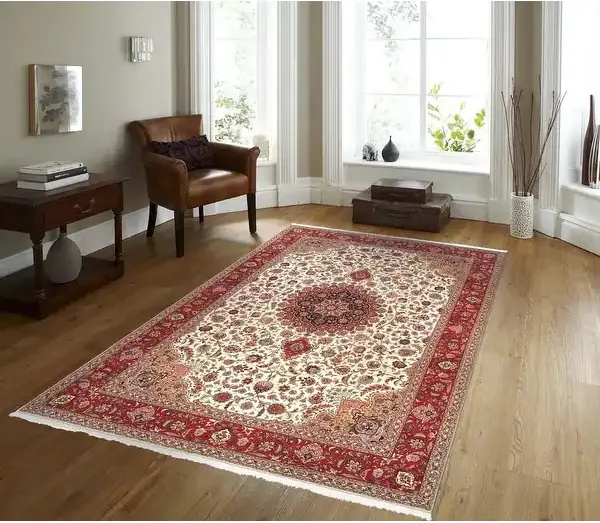
Picture this: a hand-knotted Kashan rug anchoring a modern living room, its deep burgundy and gold hues catching the afternoon sun—every intricate motif linking you to a centuries-old artisan’s vision.
| Factor | Authentic Persian Rug | Imitation / Fake Rug |
|---|---|---|
| Origin | Hand-knotted in Iran (labelled “Made in Iran”) | Often from India, Pakistan, or China (tags like “Indo-,” “Pakistan,” “China”) |
| Material | Natural wool, silk, or cotton | Synthetic fibers or mixed blends |
| Construction | Visible hand-knots, natural warp-thread fringe | Machine-made, glued fringe, overly uniform stitching |
| Design & Color | Unique regional motifs (Kashan, Tabriz, Isfahan) with natural dyes | Mass-produced patterns, chemical dyes that may fade |
| Documentation | Certificate of authenticity, provenance, appraisal history | Little or no documentation |
| Value | Appreciates over time, cultural and heirloom significance | Limited or no resale value |
Authenticity vs. Imitation: Why Provenance Matters
Genuine Persian rugs are:
- Hand-knotted in Iran and certified as such (look for proper labels and certificates).
- Prized for traditional craftsmanship and direct connection to Iranian weaving families.
- Often imitated by “Indo-,” “Pakistan,” or “China” labeled rugs, but only true Persian rugs hold cultural and investment value.
Common misconception: “Oriental rug” is not a synonym for “Persian rug”—authenticity of origin impacts both value and sentimental worth.
Craftsmanship, Value, and Heirloom Status
- Traditional techniques enhance not just the look, but also the longevity and investment quality of each rug.
- Rugs with documented provenance and quality care often appreciate in value and become cherished family heirlooms.
- As one client shared, “My mother’s Persian rug became the core of family gatherings—its story now belongs to our children.”
A premium Persian rug is both a personal statement and an asset that can last over a century with proper maintenance.
Persian rugs connect you to a living legacy—building lasting value and meaning far beyond the floor beneath your feet. Look for authentic materials, trusted provenance, and stories that reflect your own sense of home and heritage.
Key Factors in Choosing a Persian rugs
Authenticity and Provenance
Authenticity is non-negotiable—genuine Persian rugs are always hand-knotted and made in Iran.
Check the rug’s label or certificate for “Made in Iran” (not “Indo-,” “Pakistan,” or “China” tags, which indicate imitations).
Ask sellers these questions:
- Is this rug hand-knotted in Iran?
- Can you provide a certificate of origin?
- What is the rug’s provenance and history?
- Has this rug been restored or altered in any way?
Requesting documentation and visible verification helps you avoid costly mistakes—nearly 40% of rugs marketed as “Persian” in online marketplaces are mislabeled copies.
“If the label doesn’t say Iran, it’s not an authentic Persian rug.”
Learn more about authenticity verification.
Material Quality and Craftsmanship
Traditional Persian rugs favor wool, cotton, and, in rare cases, silk.
- Wool: Authentic, high-quality wool feels smooth with a slight sheen from natural lanolin—never dry, stiff, or shiny from synthetic blends.
- Cotton: Commonly used for the foundation (warp and weft).
- Silk: Valued but less common, reserved for special fine-weave pieces.
Inspect for:
- Hand-knotted construction with visible, slightly uneven knots.
- Fringe that’s an extension of the rug’s warp threads—never just sewn or glued on.
- Rich, deep colors and clear patterns that shimmer under different lights.
“Feel the rug; a true Persian brings warmth and character under your fingertips.”
Watch out for:
- Synthetic fibers, machine-made grids, or glued-on fringe.
- Overly uniform patterns or oddly perfect stitching—these often signal modern imitations.
(Insert close-up material imagery here in layout)
Evaluating Construction: Knots, Dyes, and Condition
Rug collectors and designers often mention KPSI—knots per square inch—as a marker of craftsmanship.
- Above 120–250 KPSI shows detailed, intricate design (such as Isfahan or Qum rugs).
- Lower counts (under 90 KPSI) can mean tribal or village rugs, still highly collectible.
- Don’t obsess over high KPSI; clarity and artistic precision matter more.
Turn the rug over:
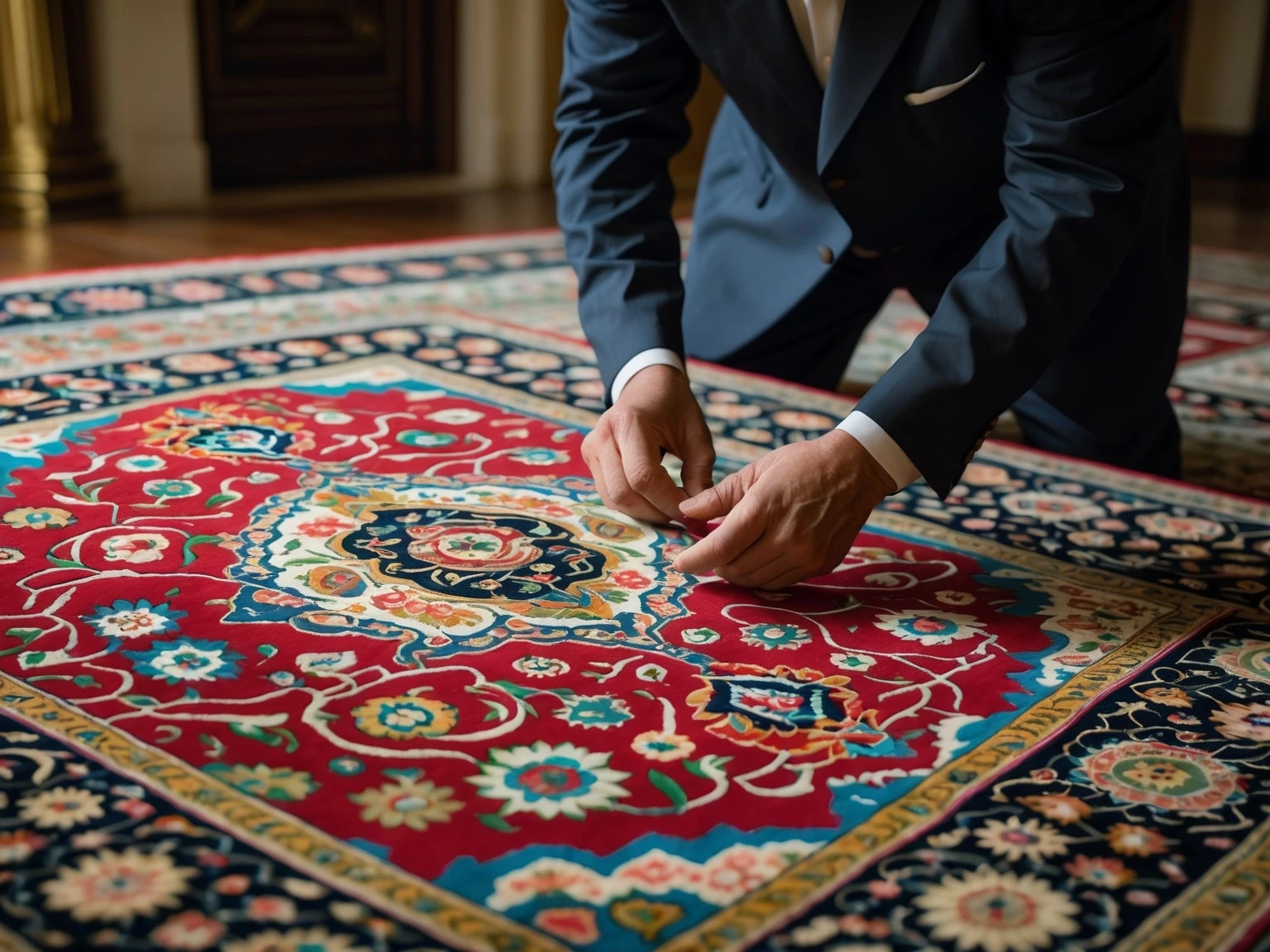
- Look for well-aligned, distinct knots and patterns visible on the back—classic signs of hand-knotting.
- Inspect the edges and corners—they should be straight, secure, and without fray.
Test dye stability:
- Dab a damp white cloth against the rug’s surface.
- Natural dyes rarely bleed; if you see significant color transfer, the rug likely uses chemical dyes or is less robust for heirloom use.
- Faded or patched areas can hint at history—or undisclosed repairs.
“A Persian rug’s true story is woven on both sides—from knot to color, every detail matters for lasting beauty.”
(See our rug restoration and repair assessment guide.)
A well-chosen Persian rug blends artistry and authenticity—always inspect, verify, and feel before you buy. The right choice will stand at the heart of your home for generations, with beauty that deepens year after year.
Design, Color, and Sizing for Your Home
Selecting the Right Design and Pattern
Choosing a Persian rug is an art that blends heritage with personal style.
Each region—like Tabriz, Isfahan, Kashan, and Qum—offers distinctive patterns:
- Tabriz rugs: Intricate medallions, soft blues, and earthy burgundy
- Isfahan rugs: Elegant floral motifs, classic deep reds, and cream
- Kashan rugs: Bold central medallions, navy and rich gold accents
- Qum rugs: Silk-based, luminous jewel tones, highly collectible
Clients often ask, “How do I find a rug that feels at home in my space?” The answer lies in:
- Identifying motifs that echo your décor (geometric for modern, florals for traditional)
- Deciding between the prestige of antique designs or the energy of contemporary variants
- Consulting a trusted expert for guidance in matching pattern complexity with your lifestyle
“Picture this: a luminous Kashan medallion rug as the focal point in a sun-filled Menlo Park living room—timeless, elegant, and uniquely yours.”
Choosing Colors for Cohesion and Longevity
Color selection transforms a rug from functional to spectacular.
For lasting harmony, consider:
- Hues that coordinate with existing furniture, wood tones, and wall paint
- Natural dyes—found in authentic Persian rugs—add warmth, subtlety, and superior colorfastness
- Earthy palettes (rust, cream, charcoal) foster coziness, while jewel tones (sapphire, ruby) energize a room
Want your space to stay fresh for years? Balance current trends with classics:
- Incorporate one or two on-trend shades, but let timeless colors anchor your choice
- “A rug in deep burgundy and gold never goes out of style, even as tastes evolve”
Color cues can even influence mood:
- Calm neutrals for peace in bedrooms
- Vibrant blues or reds to spark conversation in gathering spaces
Measuring and Sizing the Perfect Persian rugs
A rug’s size defines its impact—precision matters:
- Measure your room’s length and width, subtract 1-2 feet from each dimension for perfect framing
- Standard sizes: 8’x10′ for living areas, runners for hallways, 6’x9′ beneath dining tables
Furniture placement is crucial:
- Living rooms: Place front furniture legs on the rug for cohesion
- Dining rooms: Ensure chairs stay on the rug, even when pulled out
- Entryways: Let rugs define the space without crowding
If the rug overwhelms or shrinks the area, it disrupts the room’s flow—balance is key.
“Imagine a vintage Heriz anchoring a minimalist dining space or mixing a family heirloom runner with new pieces in a contemporary entry—heritage meets modern living.”
Connect design, color, and size for a rug that feels custom-made for your life. The right Persian rug transforms a room, grounding it in tradition and timeless beauty—every detail matters for lasting enjoyment.
Navigating the Persian rugs Buying Process
Setting a Realistic Budget
Persian rugs can range dramatically in price—from $1,500 for a smaller, entry-level hand-knotted piece to over $50,000 for rare, antique masterpieces.
Factors that most impact price include:
- Origin: Rugs from renowned regions like Isfahan or Qum command higher values.
- Age: Antique and vintage pieces often appreciate, especially with documented provenance.
- Size: Larger rugs require exponentially more time and expertise to weave.
- Rarity of design and material: Unique patterns, silk content, or limited regional production also raise prices.
- Restoration: Expert repairs can maintain value—but poor repairs may decrease it.
In auctions or private sales:
- Set a clear maximum budget before bidding.
- Negotiate only with reputable dealers who provide legitimate certificates and transparent pricing.
Watch out for “too good to be true” deals, as deep discounts or vague origins are classic red flags in rug buying.
Identifying and Working with Reputable Sellers
Working with a known specialist is key to lasting confidence in your rug purchase.
Look for dealers who offer:
- Verified expertise (30+ years in business, local testimonials)
- Full transparency: Documentation of provenance, restoration history, and clear return policies
- 100% satisfaction guarantees and secure payment processes
Ask these questions before committing:
- Can you provide a certificate of authenticity and a detailed restoration record?
- What is your return policy and what buyer protections are offered?
Benefits of buying from dedicated Persian rug clinics include:
- Free pickup, delivery, and installation in Menlo Park
- Personalized consultations to match your home’s unique aesthetics
After-sales care is crucial—professional cleaning and ongoing maintenance protect your investment’s long-term beauty and value.
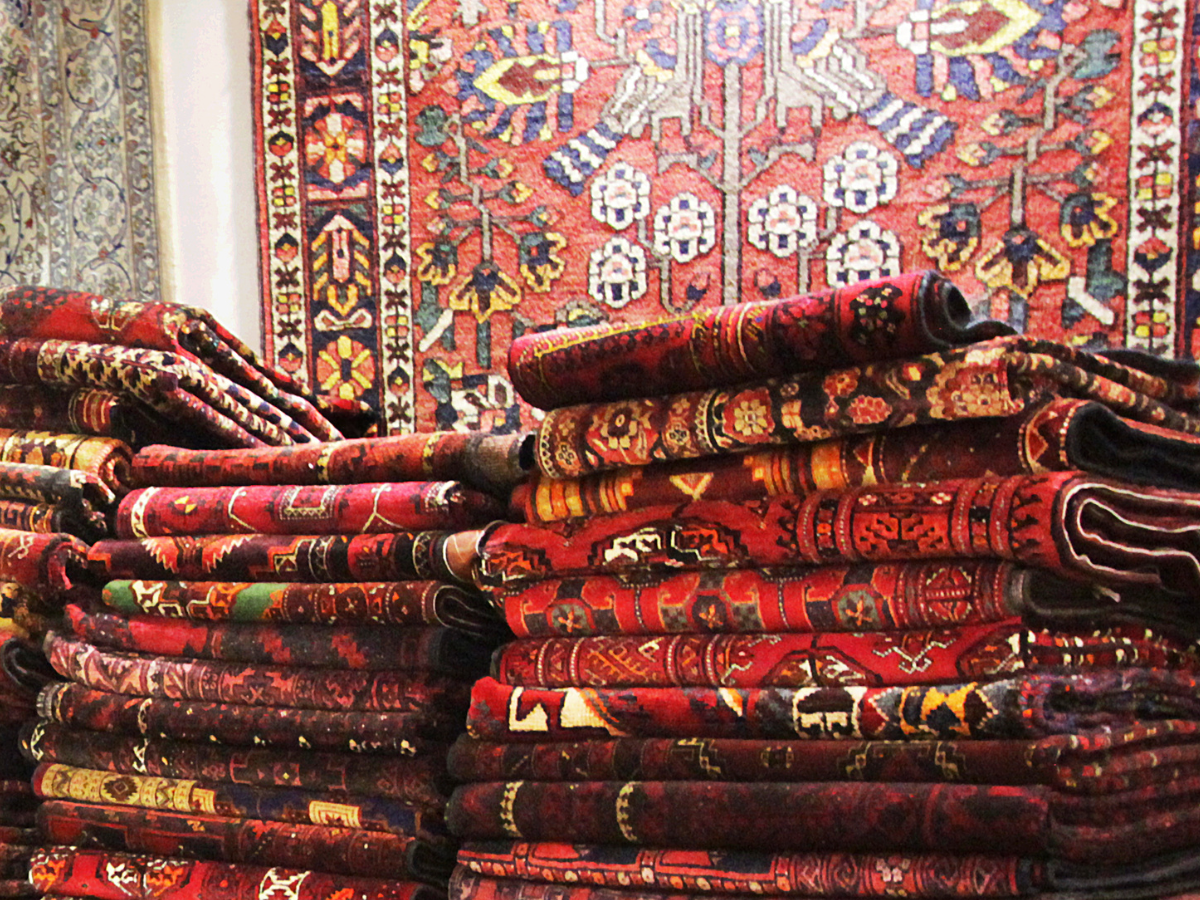
Practical Steps for an Informed Purchase
Take a methodical approach to avoid buyer’s remorse and guarantee your rug’s longevity and authenticity.
Step-by-step expert checklist:
- Research styles from regions like Tabriz, Kashan, or Qum to match décor and investment goals.
- Measure your room carefully and decide on the size that fits both space and traffic flow.
- Inspect construction: Flip the rug to check knots, inspect the fringe, and test the dyes.
- Request certificates and provenance for peace of mind.
- Arrange delivery, installation, and future cleaning for full convenience.
- Pay securely: Use protected payment channels and review all buyer policies upfront.
Picture this: A Menlo Park professional, pressed for time, chooses a rug through an expert-led process—free delivery and guaranteed authenticity mean peace of mind from selection to installation.
Remember, the most valuable Persian rug isn’t always the most expensive, but the one whose story and beauty fit perfectly into your life and space. If in doubt, always lean on experience—ask, verify, and never rush your decision.
Preserving and Enhancing Rug Value After Purchase
Importance of Professional Care and Maintenance
A Persian rug is more than a floor covering—it’s a cherished investment and family heirloom.
Routine professional cleaning, restoration, and protective treatments are essential for keeping your rug vibrant and structurally sound.
Picture your rug restored: faded reds returning to a deep burgundy, intricate gold borders gleaming—a visible difference that’s instantly shareable in a “before and after” photo.
- Annual or biannual professional cleanings remove embedded dust and allergens while protecting delicate fibers.
- Restoration services—from fringe repair to color touch-ups—correct wear, renew beauty, and stop further damage.
- Free pickup, delivery, and installation, offered by reputable clinics, ensure maximum convenience for busy homeowners.
A client recently noticed a tear in their Isfahan rug; within days, our restoration team returned it looking as though the years had rolled back—testament to how expert hands preserve rug value and history.
A simple quote to remember: “Every cleaning is a step toward preserving your rug’s story.”
Heritage Stewardship for Future Generations
Owning a Persian rug means stewarding a piece of cultural heritage—your choices today shape the legacy for tomorrow.
- Traditional cleaning and repair techniques—hand-washing, natural dye matching—honor historical methods, maintaining both value and authenticity.
- Professional appraisals and documentation protect your rug’s market and sentimental worth, supporting insurance claims and future sales.
- Rug registries and family storytelling keep heirloom provenance alive, connecting generations through shared artistry.
Imagine passing your rug—clean, restored, its history preserved—down to your children as a celebrated family treasure.
Vivid before-and-after visuals drive home this point: “A restored rug is a gift to both your home and your heritage.”
For tips on ongoing protection and maintenance tailored to heirloom pieces, see our Persian rug care services page.
Treat your Persian rug as an heirloom worthy of tradition and expertise—regular professional care and mindful stewardship amplify both beauty and long-term value, ensuring your investment endures for generations.
Current Trends and Future Outlook for Persian rugs Buyers
The Persian rug market is evolving rapidly as both design and investment priorities shift for 2025.
Today’s buyers are embracing a blend of timeless heritage and modern appeal, seeking rugs that honor tradition while fitting contemporary homes.
Demand for authentic, hand-knotted Persian rugs—specifically those crafted in Iran—continues to surge, outpacing interest in machine-made or imitation pieces from other countries.
Evolving Aesthetics and Regional Revivals
Design-conscious homeowners are gravitating toward rich earth tones—deep burgundy, gold, and charcoal—that complement both classic and minimalist interiors.
Regional revivals are in full swing:
- Tabriz and Isfahan rugs, known for intricate medallions and detailed florals, are making a vibrant comeback in luxury homes.
- Minimalist spaces are adopting bold Kashan or geometric Qashqai patterns as dramatic statement pieces.
“Learn the language of your rug—it will speak volumes about your home and your taste.”
Rising Focus on Sustainability and Provenance
Eco-conscious buyers are prioritizing natural dyes and traditional wool for their warmth, durability, and environmentally friendly craftsmanship.
The demand for sustainably sourced Persian rugs now shapes sourcing:
- Many buyers ask for plant-dyed pieces or seek eco-certifications.
- Rugs with clear provenance and artisan stories command a premium, often fetching 20%–30% higher prices in the current market.
Picture this: a hand-knotted rug in your foyer, warming the space and sparking conversations about artistry and global heritage every time you entertain.
Market Dynamics and Investment Implications
Geopolitical factors—such as trade sanctions and logistical challenges—impact Persian rug availability and pricing.
Buyers are noticing:
- Longer wait times (up to 6–12 months for rare styles)
- Investible pieces appreciating in value as import bottlenecks persist
- Increased vigilance required to avoid high-quality imitations, especially online
“Authentic rugs grow more precious with every challenge—rising demand and constrained supply only add to their legacy.”
Expert Tips for Maintaining Rug Value
To safeguard and maximize the long-term value of your Persian rug investment, experts recommend:
-
Prioritizing provenance, natural materials, and fine craftsmanship when purchasing
-
Selecting colors and patterns with timeless appeal, rather than fleeting trends
-
Keeping detailed records of care and professional appraisals to protect future resale or inheritance value
In today’s evolving market, confirming authenticity and making thoughtful choices ensures that your Persian rug investment remains both a cherished heirloom and a steadily appreciating asset for generations.
Conclusion
Choosing the right Persian rug is more than a purchase—it’s a commitment to heritage, artistry, and lasting value in your home. With every step rooted in tradition, you shape not just your space, but also the legacy you pass forward.
Your choices today protect this exceptional craft for generations. By bringing together authenticity, quality, and expert guidance, you make every rug a story worth telling.
—
Takeaway Actions:
- Verify origins and materials—always look for genuine, hand-knotted Persian rugs with clear provenance.
- Experience before you decide—feel the weave, inspect dye quality, and seek close-up photos or in-person inspections.
- Ask for certificates of authenticity and transparent repair history to secure both value and peace of mind.
- Partner with experts—choose specialists with a heritage of trust, offering satisfaction guarantees and hands-on advice.
- Prioritize professional care for your rug: schedule regular cleanings and trust only traditional restoration services.
—
Ready to begin?
- Schedule a consultation with a master rug specialist and explore curated options that suit your lifestyle.
- Request a personalized home trial or arrange for free pickup and delivery—let convenience and confidence guide your decision.
- Capture your rug’s story with documentation and share its legacy with family; ask about annual maintenance to protect your investment year after year.
—
Your Persian rug isn’t just part of your décor—it’s a living heirloom that honors history, uplifts your space, and stands as a testament to your thoughtful stewardship.
Choose expertly. Care diligently. Let every step you take echo with tradition and beauty—your legacy, woven by hand.
FAQs
1. Why is a Persian rug investment considered valuable?
A Persian rug investment is more than décor—it’s a timeless asset. Authentic Persian rugs are hand-knotted, crafted from natural materials, and often appreciate in value over time due to rarity, artistry, and cultural heritage.
2. How do I know if Persian rugs are authentic?
Genuine Persian rugs are always made in Iran and feature hand-knotted craftsmanship with natural wool, silk, or cotton. Look for certificates of authenticity and provenance documents. For a deeper guide, visit our Persian Rugs Clinic: Buying, Investment & Trends 2025 .
3. Can Persian rugs really appreciate in value?
Yes. A well-maintained Persian rug investment can increase in value, particularly if it has clear provenance, traditional craftsmanship, and is professionally cared for. Collectors and homeowners alike view them as both heirlooms and appreciating assets.
4. What should I look for before buying Persian rugs?
Focus on authenticity, material quality, and timeless design. Avoid rugs labeled “Indo-,” “Pakistan,” or “China” as they are imitations. For more cultural context, see this external guide from The Metropolitan Museum of Art.
5. How do I care for my Persian rug investment?
Schedule professional cleanings, document appraisals, and avoid DIY chemicals. Proper care not only protects beauty but also secures the long-term value of your Persian rug investment.