
amir
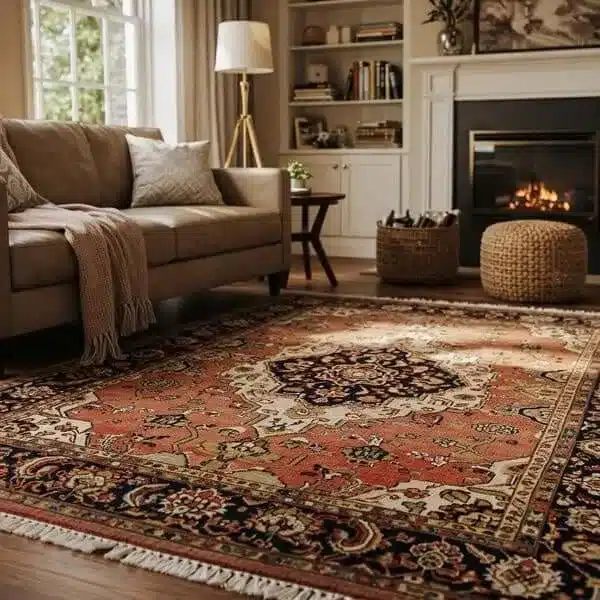
Navigating the Persian rug market in 2025 requires informed choices and expert guidance. Whether you’re a homeowner seeking heirloom-quality décor or an investor eyeing valuable acquisitions, understanding current trends, pricing, and preservation strategies will protect and grow your rug’s value.
- Persian rug market growth is robust, projected to reach $15.8 billion by 2033 with luxury, craftsmanship, and heritage appreciation driving demand and annual price increases of 5–10% for antique and vintage rugs.
- Authenticity and provenance are non-negotiable—insist on certification and blockchain/NFC verification for rugs valued above $5,000 to guarantee genuine heritage and protect your investment.
- Three-tiered pricing structure guides smart purchases: Entry-level (machine-made) from $300–$1,400, mid-grade (hand-knotted city or village rugs) at $2,800–$10,000, and investment-grade antiques and silk masterpieces commanding $25,000–$100,000+.
- Market challenges include counterfeits and unstable supply, so always buy from trusted local experts offering free pickup, delivery, and restoration, ensuring peace of mind alongside your purchase.
- Care and expert maintenance directly impact value—regular professional cleaning and restoration by specialists can recapture thousands in lost worth and preserve your rug for generations.
- Sustainability and transparency influence buying decisions—today’s buyers favor natural fibers, organic dyes, and ethical sourcing, expecting clear documentation and eco-conscious options.
- Digital platforms comprise 25% of sales, but combine online convenience with in-person validation to avoid fakes and secure true investment pieces.
Explore the full article for an expert deep dive into pricing, investment strategies, and preservation tips—ensuring your Persian rug remains both a symbol of heritage and a wise financial asset.
Introduction
Picture this: A luminous Persian rug, woven with gold and deep burgundy, transformed by generations of footsteps—yet increasingly, it’s just as likely to appear in a high-profile gallery auction as it is on the floor of a Menlo Park living room. Why? The Persian Rugs Clinic: Buying, Investment & Trends 2025 reveals how the Persian Rug Market is outpacing most collectibles, projected to reach $15.8 billion by 2033—fueled by a 4.9% annual growth rate.
If you own a Persian or Oriental rug, or you’re considering investing in one, you already know these pieces are more than décor. Every knot carries heritage, monetary value, and cultural significance—qualities that only increase as the Persian Rug Market evolves and global demand intensifies.
But how do you recognize a truly valuable rug? What’s driving prices upward now? And how can you protect—and even enhance—the value of your own treasured piece? Expert guidance is critical, especially when the Persian Rug Market is shaped by:
-
Luxury décor trends making statement rugs the centerpiece of modern interiors
-
Digital buying now accounting for 1 in 4 rug sales, raising both convenience and authenticity concerns
-
Sustainability and provenance becoming non-negotiables for discerning investors
-
Restoration and care determining the difference between a lost fortune and an heirloom
As the trusted guardians of Menlo Park’s most exquisite rugs, we’ve spent over 30 years witnessing market swings, record sales, and countless restoration triumphs. For homeowners and collectors alike, understanding the Persian Rug Market provides reliable answers on pricing trends, investment insights, and preservation strategies—delivering the peace of mind that comes from expert knowledge and heritage stewardship.
Step into the evolving world of artistry and investment, where every knot contributes to the enduring story of the Persian Rug Market—and discover why today’s choices shape your legacy for generations.
The Evolving Persian Rug Market: 2025 Landscape
The global Persian rug market stands at $10.5 billion in 2024, with steady growth expected. Demand comes from luxury décor buyers, heritage collectors, and investors worldwide.
Learn more about Persian rugs on Wikipedia
Regional Demand & Core Applications
North America, Europe, and Asia’s affluent urban centers shape the majority of global demand.
- Iran remains the epicenter of production, but faces export hurdles driven by ongoing sanctions.
- Residential buyers seek statement pieces for living rooms and heirloom preservation.
- Hospitality and gallery clients pursue large-format and palace-size carpets for premium ambiance.
- Luxury designers increasingly incorporate Persian rugs for both traditional and modern spaces.
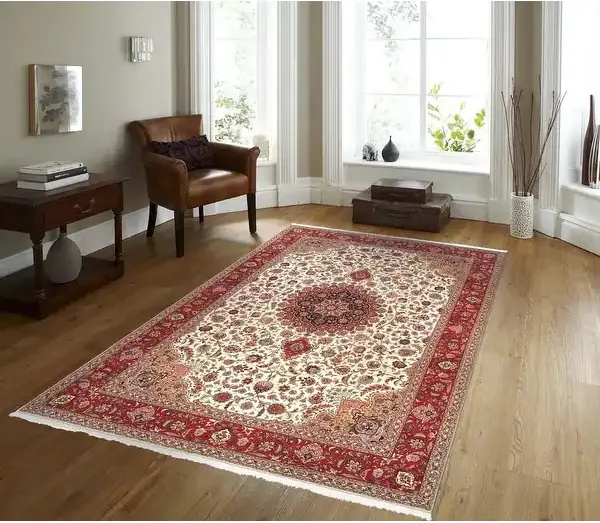
Picture this: A hand-knotted Isfahan rug under warm gallery lights, its gold, cream, and burgundy hues drawing quiet admiration.
Persian rugs embody living history—each piece carrying tradition forward in both family homes and public collections.
Recent Trends Shaping Demand and Supply
Consumer priorities have shifted, setting new standards for acquisition and care:
- Sustainable, ethical production is now a top consideration: buyers favor rugs made from natural fibers (like wool, silk, bamboo silk) and organic, plant-based dyes.
- Supply chain transparency and blockchain/NFC provenance verification are fast becoming essentials—especially as nearly 25% of all sales occur via digital platforms.
- Innovation meets heritage: The market sees the rise of wool-nylon blends, bamboo silk, smart textiles with LED or NFC chips, luring younger buyers seeking classic artistry with modern flair.
Vintage and antique rugs are experiencing a true renaissance, with prices rising 5–10% per year and rare examples breaking auction records worldwide.
Key Challenges Influencing the Market
Several headwinds shape both availability and valuation in the Persian Rug Market:
-
Machine-made and synthetic rivals challenge artisanal market share, particularly at entry-level price points.
-
Economic and political instability, especially in Iran, can trigger price volatility and supply fluctuations.
“Every Persian rug woven today is not just an accessory—it’s an heirloom in the making.”
Discerning buyers now weigh factors like provenance, sustainability, and digital credibility as part of a premium purchase experience. For this reason, the Persian Rug Market increasingly rewards those who value both artistry and authenticity—making expert guidance, heritage appreciation, and savvy investment more important than ever.
Looking ahead, the Persian Rug Market will continue to balance tradition with modern expectations, ensuring that collectors and homeowners alike can secure pieces that grow in both cultural and financial value.
Pricing Dynamics: How Persian Rugs Are Valued
Understanding what drives the value of a Persian rug is essential for buyers and collectors alike. In 2025, the global Persian rug market displays a clear pricing structure—one shaped by craftsmanship, rarity, and demand for quality.
Structural Market Segmentation
Persian rug prices fall into three distinct bands:
- Entry-Level: Machine-made or basic hand-tufted; starting as low as $300–$1,400 for a 3×5 village wool rug.
- Mid-Grade: Finely hand-knotted city rugs (Isfahan, Tabriz, Kashan) or larger sizes; typically in the $2,800–$10,000 range for an 8×10 city wool piece.
- High-End/Investment-Grade: Pure silk, exceptional KPSI (knots per square inch), or antique pieces; palace-sized, museum-quality rugs can command $25,000–$100,000+.
“From an accessible village wool at $800 to an antique palace rug cresting $100,000, every knot tells a story of value,” is a phrase you’ll hear repeated among savvy collectors.
Key Price Factors
What determines whether a rug lands at the top end or bottom of these bands? Value is influenced by:
- Size and knot density (KPSI): Larger, finer rugs always command premiums—higher knot counts directly equate to higher pricing.
- Materials: Silk drives prices up—expect to pay double or triple versus a wool equivalent. Blends (like bamboo silk) are on trend but impact long-term value differently.
- Age and provenance: An antique’s story adds zeros—price growth for true antique and vintage rugs is rising 5–10% annually. Provenance and authenticity fuel auction competition.
- Design and condition: Unique patterns, vibrant colors, and pristine restoration dramatically boost appraisal; even restoration by skilled professionals in Menlo Park can recapture thousands in lost value.
Picture this: an 8×10 Isfahan city rug, luminous in silk, with rich burgundy and gold, transformed by expert repair—its auction value restored and elevated.
Geographic and Market Influences
Where a rug is woven notably affects value:
- City rugs from Isfahan, Tabriz, Kashan: Famed for tight weaves and artistry—carry both cultural and monetary premium.
- Village or tribal rugs: Increasingly collected for unique motifs; typically less expensive but rising in global demand.
- Global vs. local markets: Select antiques can see prices jump 2–3x between a Tehran bazaar and a San Francisco auction.
For anyone investing, the provenance, condition, and craftsmanship don’t just preserve beauty—they are the blueprint for lasting value. With prices and demand on the rise, informed buyers can trust that a well-chosen Persian rug is not just décor, but a generational asset.
Market Segments: Entry-Level to Investment-Grade Rugs
The Four Key Categories Every Buyer Should Know
Persian rugs can be mapped across distinct market segments—each with its own standards of quality, price, and value potential.
Picture this: a beautifully restored Kashan silk carpet glowing on a living room floor—versus a versatile, budget-friendly machine-made piece setting the stage for a family gathering.
Today, these are the rugs buyers encounter most:
- Machine-made: Affordable, quick to produce, often priced from $100–$800 for popular 3×5 and 5×7 sizes.
- Hand-tufted: Offer a more artisanal feel, typically selling between $300–$1,500, ideal for trend-driven décor with moderate investment.
- Hand-knotted: The gold standard for craftsmanship; prices range from $2,800 to over $15,000 for city-made pieces, thanks to intricate patterns and higher knot density (KPSI).
- Antique/semi-antique: Sought by collectors and designers, these can command anywhere from $25,000 up to $100,000+—especially palace or gallery-scale carpets with true provenance.
Choosing the Right Rug for Your Home and Investment
Your choice depends on budget, décor goals, and long-term value.
Looking for accessible luxury? Start with:
- Entry-level rugs (machine-made, hand-tufted): Great for high-traffic areas, casual entertaining, or adding warmth on a budget.
- Price limitations: Expect to pay less than $2,000 for even sizable, high-quality tufted pieces.
Thinking about statement pieces or investments?
- Mid-grade rugs: Hand-knotted village or city wool pieces balance artistry and affordability, landing between $2,800–$10,000.
- Designer options: Custom commissions and branded collections give you exclusivity without venturing into auction-level pricing.
Craving heirloom-level artistry and long-term appreciation?
- High-end and investment-grade rugs: Large city or palace pieces, rare antique finds, and signature works commend six-figure prices and sustain generational value.
The Critical Role of Provenance and Certification
With rising values and digital marketplaces, authenticity has never been more vital.
Here’s how clients protect their investment:
- Seek authenticity certification from reputable dealers; it’s standard for any rug over $5,000.
- Request a professional appraisal for insurance, estate transfers, and resale—specialists verify age, materials, and origin using current market data.
Imagine displaying a signed Tabriz with its certificate or sharing digital provenance for your Serapi—these stories elevate both pride and price.
For Menlo Park homeowners, understanding these segments ensures both daily enjoyment and smart investment. The right rug blends beauty, heritage, and long-term value—so you can walk on art, not just décor.
Navigating Challenges: Buying Smart in Today’s Market
Authenticity is the heart of rug collecting—yet counterfeits flood today’s global market.
Picture this: You’ve found a stunning “Persian” rug online for $800, but without provenance tracking or a reputable dealer, it could be a machine-made copy. “Every genuine Persian rug tells its story through texture, heritage, and unique imperfection,” share our seasoned experts.
Key risks to avoid:
- Counterfeit rugs: Mass-produced lookalikes claiming handmade heritage.
- Unverifiable origins: Missing documentation or vague country of origin.
- Inflated claims: Dealers exaggerating rarity or value without certification.
Always demand documentation, and when in doubt, consult a specialist.
Digital Opportunities & New Precautions
Buying online opens new doors—25% of all Persian rug purchases now happen digitally—but it brings new threats. Not every listing on major platforms tells the whole story.
Smart buyers value:
- Blockchain-backed provenance: Rising use of technology verifies authenticity via digital “passports.”
- Secure payment channels: Only use platforms that protect buyers and require verifiable photos or certificates.
- Local expertise: Combine e-commerce convenience with in-person validation for peace of mind.
“Think of blockchain as your digital insurance—if there’s no history, there could be hidden surprises,” advises a Menlo Park collector.
Economic and Cultural Influences
Sanctions and export restrictions challenge Iran’s position as the center of authentic Persian rug production. This fuels price spikes and makes market timing critical.
Stay informed about:
- Regional instability effecting supply and causing unpredictable price movements.
- Global collector trends: Demand for vintage and antique pieces rising 5–10% per year.
- Design and material cycles: Modern innovations blend silk, wool, and even LED fibers.
Ask for appraisal—expert insights spotlight details you might overlook.
Professional Consultations & Buyer Education
For the pristine rug or prized inheritance, professional guidance is worth its weight in gold.
Here’s what seasoned buyers in Menlo Park do:
- Book an expert appraisal: Unbiased market value and authenticity checks.
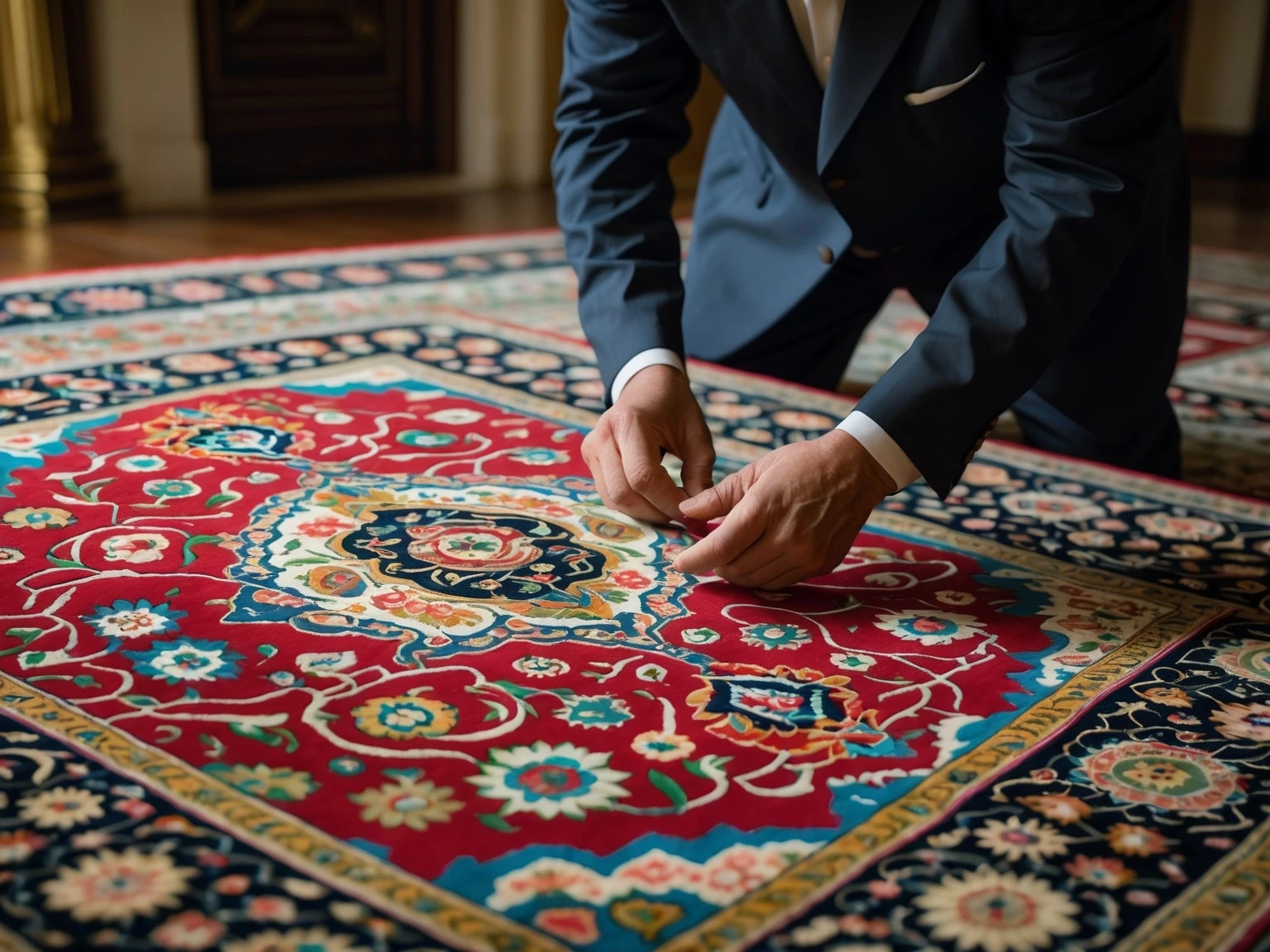
- Leverage restoration specialists: Clean and restore before assigning long-term value—“A before-and-after restoration can multiply a rug’s price.”
- Work with trusted local dealers: They offer free pickup, delivery, and installation, eliminating hassle and risk.
“A trusted appraisal is a safeguard for today—and a legacy for your family tomorrow.”
Maximizing Value: Care, Maintenance, and Preservation
Your rug’s condition is its currency.
Boost market value through:
- Regular expert cleaning: Preserves color and fiber integrity.
- Timely repairs: Address moth damage, fraying, or stains before they escalate.
- Protective services: Free pickup, delivery, and installation mean your rug is cared for every step of the way.
Our client testimonials tell the story: “After restoration, my family’s Kashan carpet looked as vibrant as when my grandmother first brought it home.”
Summary:
Buying smart starts with rigorous authenticity checks, digital savvy, and professional support. With each specialist consultation and careful maintenance step, you protect not just an investment—but a lasting piece of cultural heritage for generations to come.
The Future Outlook: Investing in Persian Rugs
Persian rugs are making headlines as investment-worthy assets, thanks to a global market projected to reach $15.8 billion by 2033 and a CAGR of 4.9% from 2026 onward.
These textiles are participating in a wider luxury goods boom—prices for antique and semi-antique Persian rugs are rising 5–10% per year, with top-quality pieces fetching up to seven figures at international auctions.
Picture this: A classic Isfahan silk rug in pristine condition sells for $100,000, while well-maintained mid-century village pieces see their value appreciate year-over-year.
Generational Transfer & New Collectors
A noticeable shift is underway: rugs are increasingly viewed as heirlooms, with younger buyers and collectors stepping in.
- Children and grandchildren are inheriting and restoring family treasures, renewing interest in preservation.
- Modern homeowners, drawn to eco-friendly luxury, seek out vintage masterpieces for both living spaces and investment portfolios.
- Social media and online galleries now showcase restoration “before and after” journeys—turning rug care into shareable lifestyle content.
Heritage, Sustainability, & Evolving Expectations
Buyers in 2025 expect more than beauty; they demand transparency, sustainability, and authenticity.
- Eco-conscious shoppers prefer natural fibers, organic dyes, and ethically sourced pieces.
- Digital tools enable provenance verification using NFC or blockchain, assuring both history and authenticity.
- Restoration using traditional techniques not only protects heritage—it enhances value in today’s trend-aware market.
The Value of Local Expertise
Your investment is best protected with the support of trusted local specialists.
- Expert appraisal and restoration teams, like those at Persian Rugs Clinic, combine traditional know-how with modern service and 100% satisfaction guarantees.
- Free pickup, delivery, and installation add convenience—especially important for busy and design-savvy clients in Menlo Park.
- A professional consultation helps you distinguish between true investment gems and mere décor, turning uncertainty into confidence.
Investing in a Persian rug means more than owning a floor covering—it’s about acquiring a piece of living heritage whose value grows with careful stewardship. In the coming years, choosing the right piece and partnering with seasoned experts will define the most rewarding rug investments.
Conclusion
In today’s evolving Persian Rug Market, Persian rugs are more than just beautiful décor—they’re living investments, heritage pieces, and symbols of refined taste. With knowledge and expert guidance, you can make confident decisions that both elevate your home and protect value for generations.
Verify every rug’s authenticity and provenance before purchase—whether you’re buying online or from a local dealer in the Persian Rug Market, certification is your best safeguard. Prioritize sustainable, ethically sourced rugs using natural fibers and organic dyes; these choices strengthen both long-term value and environmental responsibility.
Care for your rug with professional cleaning and restoration—timely attention transforms wear into renewed beauty and unlocks full investment potential. Expert appraisals remain one of the best tools in the Persian Rug Market, helping you establish value before resale or inheritance.
Digital provenance and secure payment options now define safe buying in the Persian Rug Market, especially as online sales account for nearly 25% of purchases. Pair this technology with trusted local specialists to ensure peace of mind.
Ready to protect and elevate your treasured rug? From free pickup and delivery to restoration excellence, our services are designed to help you navigate the Persian Rug Market with confidence. Share your rug’s certification or before-and-after story—and inspire others to value their own heritage pieces just as deeply.
Every step you take strengthens your place in the evolving Persian Rug Market, weaving your legacy into a tradition of artistry, sustainability, and investment wisdom.
FAQs
Q1: Is the Persian Rug Market still a good investment in 2025?
Yes. The Persian Rug Market is projected to grow steadily, with antique and high-quality rugs appreciating 5–10% annually. Auction houses like Sotheby’s regularly showcase rising values for rare Persian rugs.
Q2: What factors influence pricing in the Persian Rug Market?
Rug size, knot density, material (wool vs. silk), provenance, and condition are the primary drivers of value in the Persian Rug Market. Collectors pay significant premiums for certified and well-preserved pieces.
Q3: How can I avoid counterfeits when buying in the Persian Rug Market?
Always request authenticity certification or blockchain/NFC provenance before purchasing. If you’re unsure, contact us for expert appraisal and guidance to safeguard your investment.
Q4: Are sustainable options available in the Persian Rug Market?
Yes. The Persian Rug Market increasingly offers rugs made from natural fibers and organic dyes. Buyers value eco-conscious production and ethical sourcing as part of long-term investment potential.
Q5: What role does restoration play in the Persian Rug Market?
Restoration can dramatically boost value—professional cleaning and repairs often add thousands to resale prices. In fact, well-executed restoration is one of the smartest strategies in the Persian Rug Market to protect generational wealth.