
amir
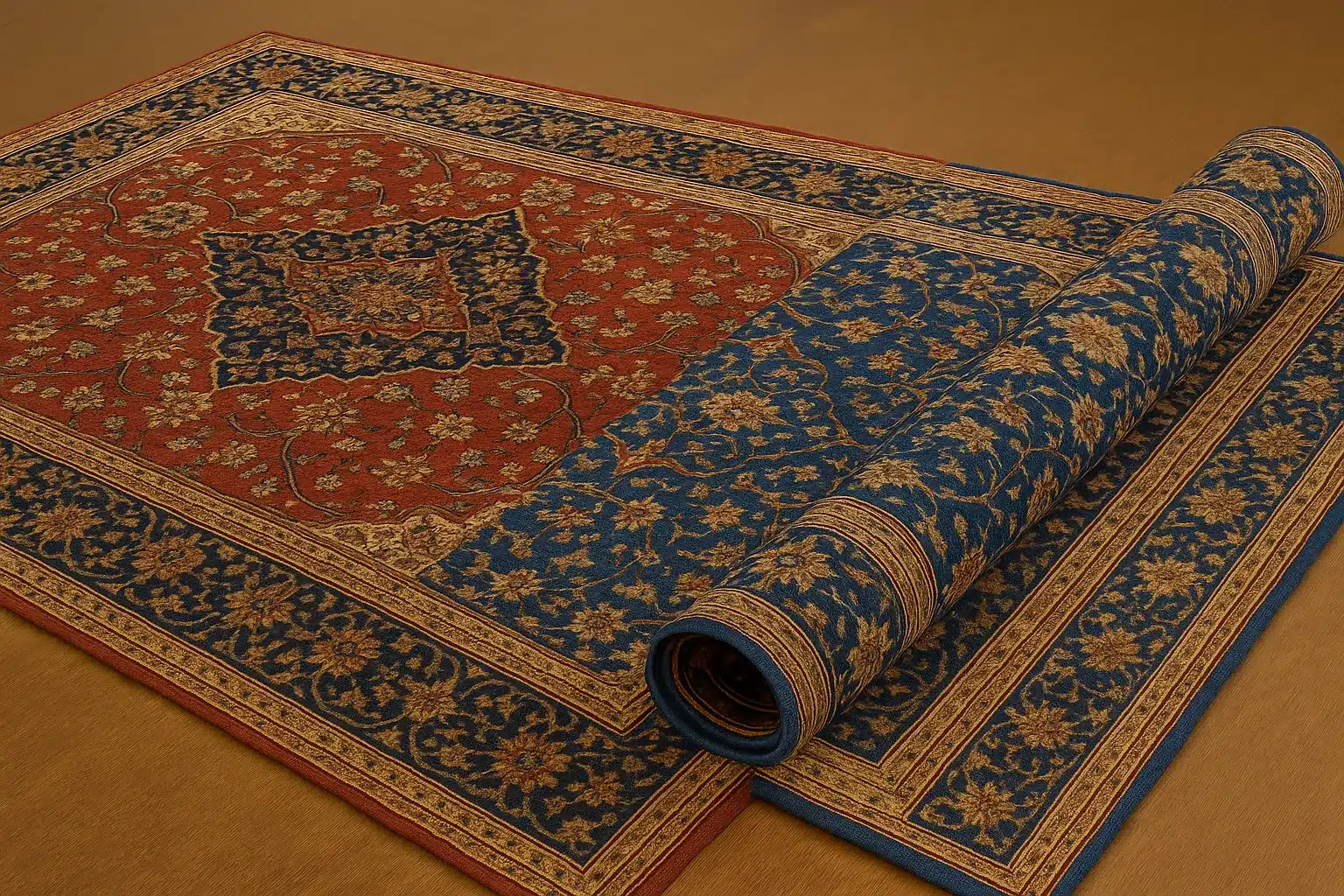
Persian Rugs History and Types reveal how these timeless heirlooms blend thousands of years of artistry, tradition, and cultural legacy. Whether you’re a longtime collector or inheriting a family piece, knowing what sets authentic Persian rugs apart ensures you preserve both heritage and beauty for generations.
- 2,500+ years of Persian rug heritage make each piece a symbol of artistry and family legacy, with hand-knotting methods and motifs evolving through dynasties from the Achaemenids to today.
- City, village, and tribal rugs offer distinct styles—look for intricate, high-knot city pieces like Tabriz, richly hued village Heriz, and boldly symbolic nomadic patterns from Qashqai or Gabbeh.
- Designs are rich in meaning, with motifs like the Tree of Life or paisley (boteh) representing immortality and regeneration, and color palettes signaling region and spiritual symbolism.
- Hand-knotting is the hallmark of authenticity—true Persian rugs feature density from 120 to over 1,000 knots per square inch and slight irregularities that confirm skilled, artisan creation.
- Value and collectability hinge on age, condition, and provenance; top antique rugs often command $10,000–$100,000 at auction, making them both a visual anchor and an appreciating asset.
- Always verify authenticity by examining for regional signatures, natural dyes, artisan marks, and construction quality, or request professional assessment if in doubt.
- Preserve your rug’s story with expert restoration, gentle cleaning, and regular care—trusted professionals protect both fiber and family history, guaranteeing peace of mind.
Explore the full article for a deeper dive into Persian rug styles, provenance, and care—your next heirloom investment starts with expert knowledge.
Introduction
Imagine running your fingertips across a Persian rug that’s over a century old—still vibrant, still soft, still telling its story without saying a word.
For many Menlo Park homeowners, a Persian rug is so much more than décor: it’s a link to family heritage, a centerpiece of interior design, and often, a significant investment worth protecting.
But do you know what truly sets an authentic Persian rug apart—or how to spot a masterpiece that will grow in value (and beauty) for generations?
Understanding these treasures means unlocking a richer appreciation for:
- The 2,500-year legacy woven into every knot and thread
- Distinctive regional styles—from luminous Isfahans to rugged Heriz pieces
- The symbolism behind every curve, pattern, and color
- Time-honored hand-knotting processes that guarantee lasting value
- Key signs of authenticity and tips to safeguard your investment
Persian rugs aren’t just floor coverings. They’re living heirlooms, each carrying stories of dynasties, artistry, and craftsmanship—stories that deserve expert preservation.
Whether you’ve inherited a family piece or are searching for the perfect showstopper, you deserve to feel confident in your rug’s origins, care, and value.
Here, you’ll discover what makes these rugs a global benchmark for quality—and how your own treasured rug connects you to centuries of tradition.
Step inside as we unravel the fascinating history, distinctive types, and enduring heritage of Persian rugs—a journey that might just change how you see every pattern underfoot.
Persian Rugs History and Types:
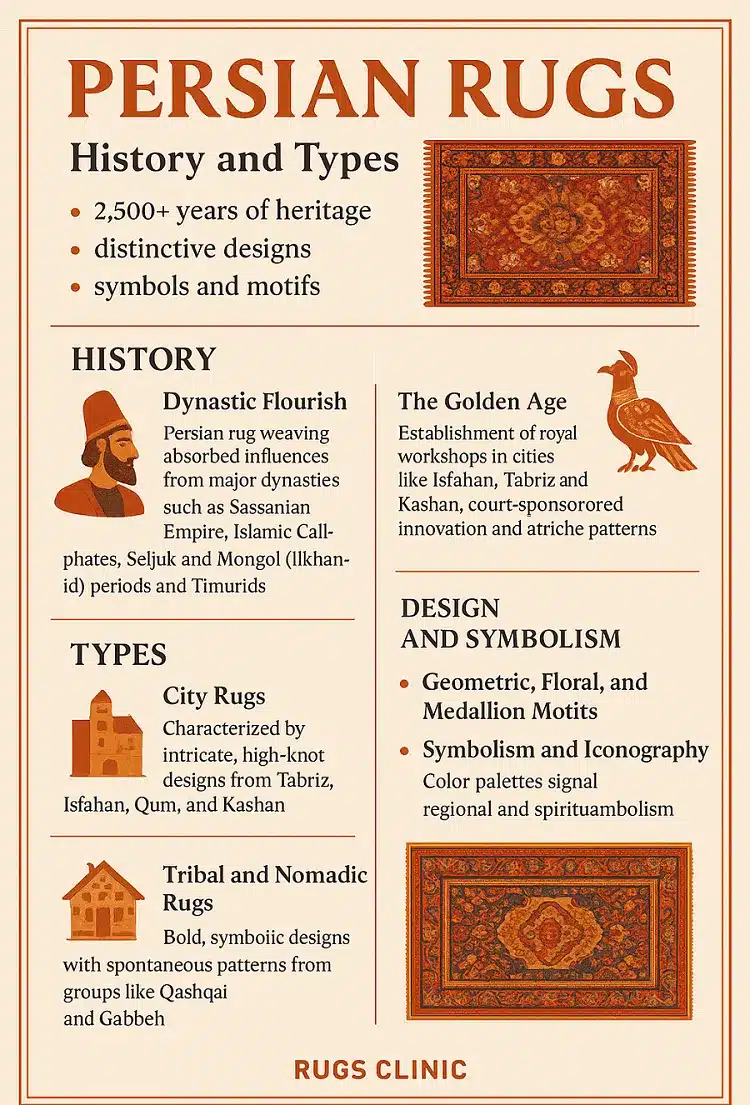
Persian rugs represent over 2,500 years of heritage, with the craft tracing back to the ancient Achaemenid Empire (c. 550–330 BCE).
Even then, rugs were more than floor coverings—they were symbols of comfort, artistry, and social status.
“Picture this: in an Achaemenid palace, richly dyed rugs adorned the floors, setting the stage for stories and ceremonies that shaped an empire.”
Dynastic Flourish: How History Shaped the Art
Persian rug weaving absorbed influences from every major dynasty:
- Sassanian Empire: Advanced weaving and introduced luxurious motifs.
- Islamic Caliphates: Integrated Islamic patterns and elevated technical aspects.
- Seljuk and Mongol (Ilkhanid) periods: Fostered geometric designs and expanded regional diversity.
- Timurids: Linked Persian artistry to Central Asian influences.
Each era contributed its own techniques and symbolism, layering history into every knot and thread.
The Golden Age: Artistry in the Safavid Era
The Safavid Dynasty (16th–18th centuries) marks the undisputed golden age of Persian rugs.
What set it apart?
- Establishment of royal workshops in Isfahan, Tabriz, and Kashan, leading to legendary craftsmanship.
- Court patronage spurred innovation, resulting in intricate curvilinear patterns, rich plant-based dyes, and lavish materials.
- Many masterpieces from this era now reside in global museums and art collections—proof of their timeless prestige.
“Every luxury Persian rug today is heir to a Safavid legacy: a masterpiece designed not merely for use, but to dazzle.”
Revival and Modern Recognition
Under the Qajar dynasty (18th–19th centuries), the rug industry was revitalized:
- Designs adapted for European markets, driving a global export boom.
- Persian rugs became status symbols in homes, embassies, and historic estates worldwide.
- Modern weavers have preserved traditional methods, even as tastes evolve.
UNESCO now recognizes Persian rug weaving as an Intangible Cultural Heritage of Humanity—an accolade that cements their place in world culture.
Rug Weaving’s Living Heritage
Today, the tradition thrives in cities and villages alike, where artisans continue techniques passed down for generations.
Collectors, designers, and families in Menlo Park and beyond treasure authentic Persian rugs for their historic value, craftsmanship, and unmatched beauty.
“Every Persian rug is not just an object—it’s a living chapter of history beneath your feet.”
For a deeper exploration of the stories and innovations behind these masterpieces, visit our “History of Persian Rugs: From Ancient to Modern” guide.
Major Types of Persian Rugs: Regions, Styles, and Distinctive Features
Persian rugs are celebrated for their regional diversity, intricate artistry, and deep heritage—each telling the story of a unique culture and weaving tradition.
Collectors and homeowners alike should understand that region, technique, and style determine not just a rug’s look but also its value and legacy.
City Rugs: Intricacy and Urban Refinement
City rugs are the pinnacle of Persian precision and finesse, famous for their high knot counts—often exceeding 400 knots per square inch—and tightly organized, curvilinear designs.
Major urban centers, each with signature flair, include:
- Tabriz: Renowned for diverse patterns, elaborate medallions, and extraordinary craftsmanship.
- Isfahan: Expertly woven silk or fine wool, with intricate arabesques and luminous colors.
- Kashan: Known for majestic central medallions and rich color palettes of deep reds and blues.
- Qum: Predominantly silk, these are treasured for their crisp motifs and delicate sheen.
“A Tabriz on polished wood or an Isfahan in a sunlit parlor turns any home into a showcase of artistry.”
Village Rugs: Vibrant Tradition and Local Craft
Village rugs infuse homes with robust character and vivid storytelling—they’re the soul of rural heritage.
Common features include:
- Bold geometric and floral motifs that stand out even in modern interiors.
- Rich natural dyes: Indigos, reds, golds, and creams drawn from local plants.
- Solid construction: Ideal for busy rooms, these rugs are crafted to last.
Key village producers:
- Heriz: Famous for striking medallion centers, prized for unmatched durability.
- Bakhtiari: “Garden panel” layouts celebrating Persian landscape design.
- Kerman: Florals and dreamy color transitions, appealing to traditional and contemporary tastes.
- Sarouk: Lush blossoms and gentle curves for a sense of elegance.
“Village rugs bring warmth and authenticity to everyday living—no two are ever quite the same.”
Tribal and Nomadic Rugs: Symbolism and Spontaneity
Tribal and nomadic rugs weave ancient stories into every knot and line—artistry as mobile as the weavers themselves.
Prominent groups include:
- Qashqai: Dynamic animal and bird motifs, crafted completely from memory.
- Gabbeh: Thick, plush, and sweetly abstract—minimalist yet deeply personal.
- Baluch, Luri, Afshar: Portable looms, natural wools, and geometric symbolism reflecting dreams, family, and protection.
Essential traits:
- Improvised geometric forms and dazzling spontaneity.
- Strong symbolism: Rugs often commemorate life milestones or serve as talismans during seasonal migrations.
Picture this: sunlight filtering through a Qashqai tent, the loom part of daily life, each rug a tapestry of memory and meaning.
Regional heritage makes every Persian rug not just a covering, but a living heirloom—an investment you display, a story you preserve, a tradition you cherish.
For a deeper dive into styles, patterns, and regional artistry, explore our complete rug guide or connect with our restoration team to discover your own rug’s provenance and identity.
Persian Rug Designs, Patterns, and Their Meanings
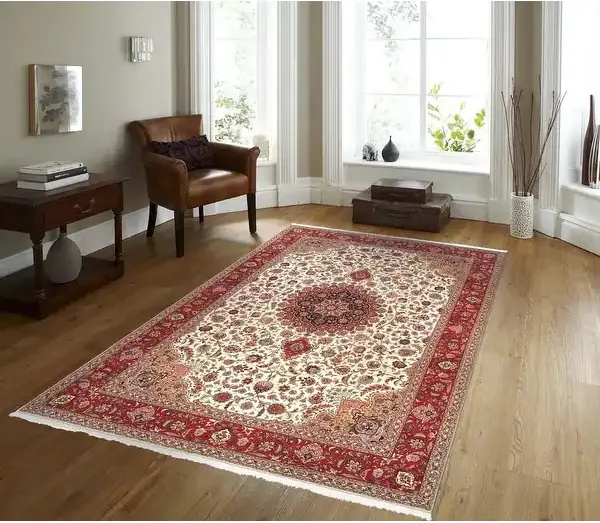
Picture this: a Persian rug unrolled in your living room, its rich burgundy and cream patterns not merely decoration, but a tapestry of history, meaning, and meticulous artistry.
Persian rug designs are more than patterns—they are visual narratives, each knot passing down centuries of tradition and storytelling.
Geometric, Floral, and Medallion Motifs
Persian rugs are renowned for three principal design categories, each a reflection of its origin and intent:
- Geometric motifs: Found mostly in tribal and nomadic rugs (like Gabbeh and Baluch), these feature bold shapes, angular medallions, and rhythmic symmetry—woven from memory, they evoke spontaneity and independence.
- Floral and curvilinear motifs: Hallmarks of city and village rugs (e.g., Isfahan, Kashan), these showcase scrolling vines, palmettes, and lush, naturalistic patterns. Their intricate lines often suggest the paradise gardens of Persian poetry.
- Central medallion layouts: Symbolic of urban refinement, this style (seen in Tabriz and Qum) features a single ornate focal point, surrounded by symmetrical, flowing ornamentation.
A single rug may blend these elements, telling a layered story in every square inch.
Symbolism and Iconography
Woven into each rug are expressive motifs with deep cultural significance:
- Common icons include:
- The “Tree of Life”: Symbolizing immortality and a bridge between worlds.
- Boteh (paisley): Linked to regeneration and spiritual life.
- Animals, birds, and flowers: Each carrying meanings of protection, hope, and connection to folklore.
- Garden layouts and compartment patterns: Evoke enclosed paradise and sacred order.
Many Persian rugs are, in essence, “poems in wool”—a phrase our clients share often—that reflect Iranian spirituality and tradition.
Color Palettes and Materials
A Persian rug’s signature warmth stems from its traditional plant-based dyes and region-specific materials:
- Layered blends of deep reds, indigo blues, golds, and creams dominate, with vibrant greens and charcoal accents woven in for both beauty and symbolism.
- Color choices link to regional resources—madder root for red, indigo for blue—and signal cultural beliefs (e.g., red for luck, green for paradise).
- The use of fine wool or shimmering silk enhances texture and gloss, with high-quality materials prized for lasting beauty and tactile comfort.
Timeless color and premium materials make every Persian rug a living heirloom—guaranteed to turn any room into a gallery-worthy, welcoming space.
Every authentic Persian rug showcases a unique fusion of art and symbolism, where motifs, meaning, and color are inseparable from heritage. For deeper motif analysis and inspiration, visit “Persian Rug Patterns, Symbols, and Their Meanings”—and discover the story woven beneath your feet.
Craftsmanship: Traditional Techniques and Heritage Preservation
The creation of a genuine Persian rug is a labor-intensive feat of artistry, honed over centuries and still carried out by hand today. Each rug begins with a carefully prepared loom—either vertical for large, intricate city rugs, or portable and horizontal for tribal and nomadic weaves.
Hand-Knotting: The Heart of Persian Rug Craft
The core of traditional craftsmanship lies in distinct knotting methods, each imparting its own character. Artisans most often use:
- Persian (Senneh) knots: Allow for curvilinear, detailed patterns seen in Tabriz and Isfahan rugs.
- Turkish (Ghiordes) knots: Create sturdy, bold geometric designs prominent in village and tribal styles.
Depending on complexity, a single rug can contain 120 to over 800 knots per square inch, with some silk masterpieces taking years to complete.
Materials and Ages-Old Dyes
Select fibers are the foundation of every heirloom rug:
- Hand-spun wool: Prized for softness and resilience.
- Silk: Adds luminous sheen, especially in Qum and Isfahan creations.
Natural dyes—sourced from madder root, indigo, pomegranate, walnut hulls—create those warm burgundy, gold, and deep midnight hues, each saturated with cultural symbolism.
Picture this: a master dyer pausing over a bubbling cauldron of pomegranate, the scent filling the air, as centuries-old recipes bring the colors of Persian heritage to life.
Passing Down Expertise & Ensuring Authenticity
Generational knowledge is woven into every rug—skills passed from parent to child, every knot holding a family’s story. The main signs of true craftsmanship include:
- Slight irregularities reflecting handwork (never “perfect” like machine cuts)
- Dense, crisp patterns without blurry edges
- Signatures or woven marks indicating workshop origin
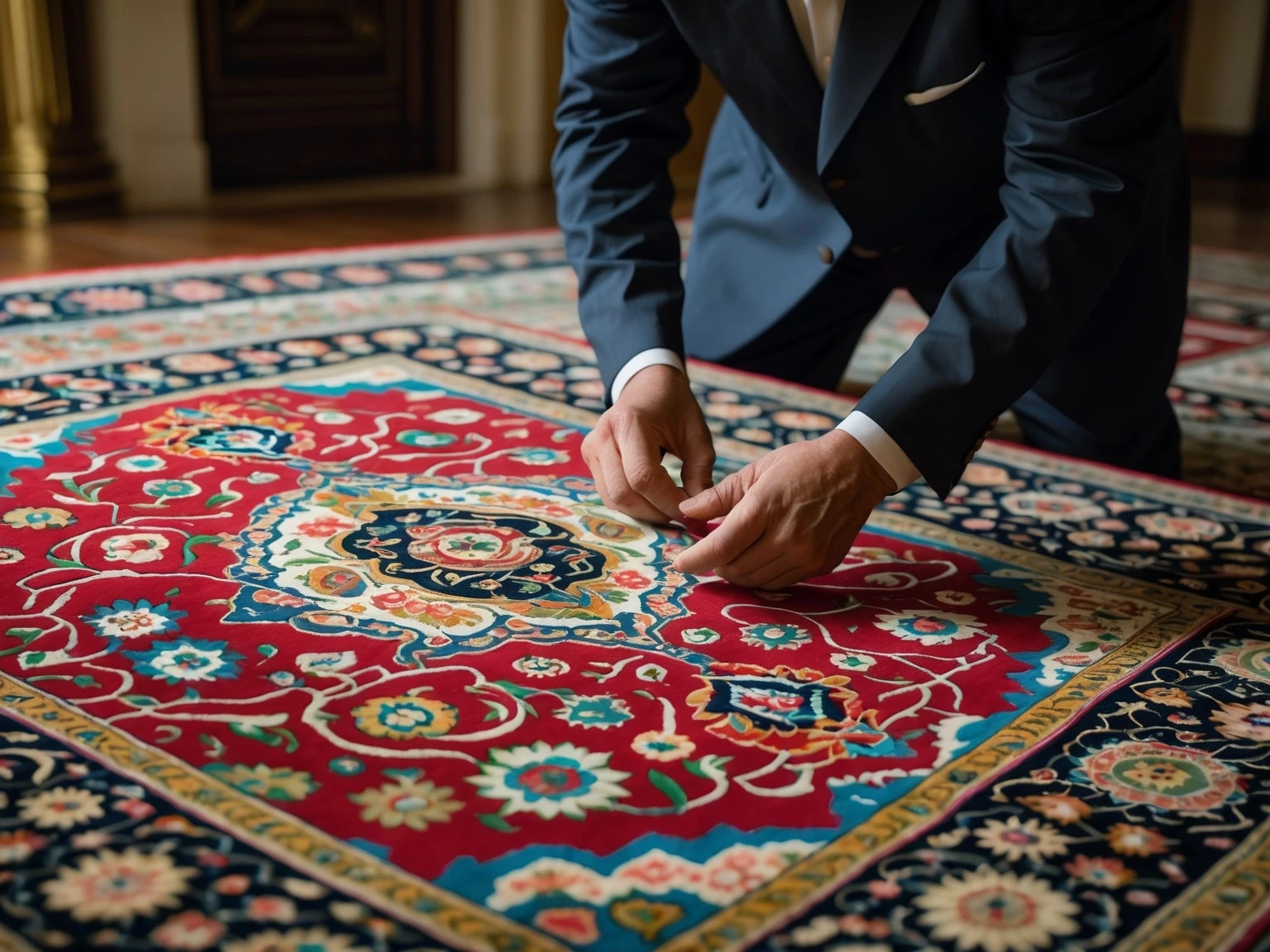
Machine-made rugs lack these nuances. For immediate verification, check the back of a rug—the “open” knots and slight imperfections confirm authenticity.
Restoration, Cleaning, and Legacy
Our workshop is founded on the belief that every rug deserves reverent care. Expert restoration revives faded colors, repairs wear, and honors each thread’s unique history.
- Restoration timeframes vary: simple repairs may take weeks; full restoration of antique treasures can require months.
- Professional cleaning uses gentle, traditional methods to preserve dyes and fiber strength.
As owner, you experience peace of mind—”Expert hands, treasured rugs, flawless results” is not just a promise, but our legacy.
The takeaway: choosing skilled, tradition-rooted craftsmanship doesn’t just protect your investment—it safeguards a priceless chapter of global heritage, ensuring your rug’s story endures for generations to come.
The Cultural and Economic Significance of Persian Rugs
Persian rugs are more than floor coverings—they are living symbols of heritage, artistry, and status.
Across Iran, these rugs hold places of honor in homes, mosques, and palaces, signaling both wealth and cultural pride. Owning a Persian rug often marks a family’s legacy, with treasured pieces handed down through generations or selected as diplomatic gifts displayed in global embassies and museums.
Symbols of Heritage and Global Prestige
Picture this: a richly colored antique rug, centerpiece to a formal gathering, its intricate pattern reflecting a centuries-old story.
Persian rugs frequently appear in:
- Palaces and historic sites—as markers of prestige
- Religious spaces—imbued with symbolic meaning
- International exhibitions and collections—for example, The Louvre and The Metropolitan Museum of Art
- Art studios, inspiring masters like Matisse and Picasso
Quotable: “A Persian rug transforms any home into a gallery of living history.”
Economic Backbone and Collector Appeal
The Persian rug industry supports over a million artisans in Iran alone, making it a critical pillar of the local economy.
Key economic impacts include:
- Local employment—empowering families and entire communities
- Global trade—recent estimates mark Iran’s annual carpet exports at over $400 million
- Collector value—antique Persian rugs can command price tags from $10,000 to well over $100,000 at auction
Contemporary rug collecting is surging, with investors viewing these pieces as “portable wealth”—assets valued for both their beauty and appreciation over time.
Memorable takeaway: “Every authentic Persian rug is an heirloom—a masterpiece that both appreciates and is appreciated.”
Ceremonies, Trends, and Heirloom Value
Persian rugs play central roles in weddings, Nowruz celebrations, and family milestones.
In today’s market:
- Authenticity is paramount—look for artisan marks, regional motifs, and fine knotting
- Demand for restoration and authentication is rising, as more families seek to preserve or verify their valuable heirlooms
- Global demand continues among collectors and design-conscious homeowners
Visual moment: Imagine a side-by-side “before and after” restoration, revealing colors once hidden for decades.
For Menlo Park families and collectors alike, the greatest value lies in preserving each rug’s story—a promise fulfilled by seasoned professionals dedicated to traditional craft.
A genuine Persian rug is more than a treasured possession; it’s a tangible link between history, artistry, and a family’s future.
Identifying Authentic Persian Rugs and Understanding Value
Key Signs of Authenticity at a Glance
Picture this: you unroll a stunning rug, soft wool beneath your fingertips, and intricate patterns glowing with rich, naturally-dyed colors.
True authentic Persian rugs display specific markers of their origin and craftsmanship, including:
- Regional Signatures: Look for distinctive motifs (like Isfahan’s delicate florals or Heriz’s bold central medallions) that tie a rug to a particular city, village, or tribe.
- Precise Design Execution: Fine, crisp lines and mirrored patterns are hallmarks of handmade work—imperfections often signal unique, artisan touch rather than machine production.
- Materials: Authentic Persian rugs use high-quality wool, silk, or cotton. A pure silk rug from Qum, for example, will offer a luminous, smooth feel under natural light.
- Knot Density: Count the knots on the back; genuine rugs range from 120 to over 1,000 knots per square inch. Higher density equals greater detail and value.
- Artisan Marks: Some pieces feature weaver signatures or unique finishing on the selvedges, passed down through generations.
“A Persian rug’s authenticity is woven into every fiber—each detail tells a story decades or even centuries in the making.”
How Value Is Determined: Criteria to Know
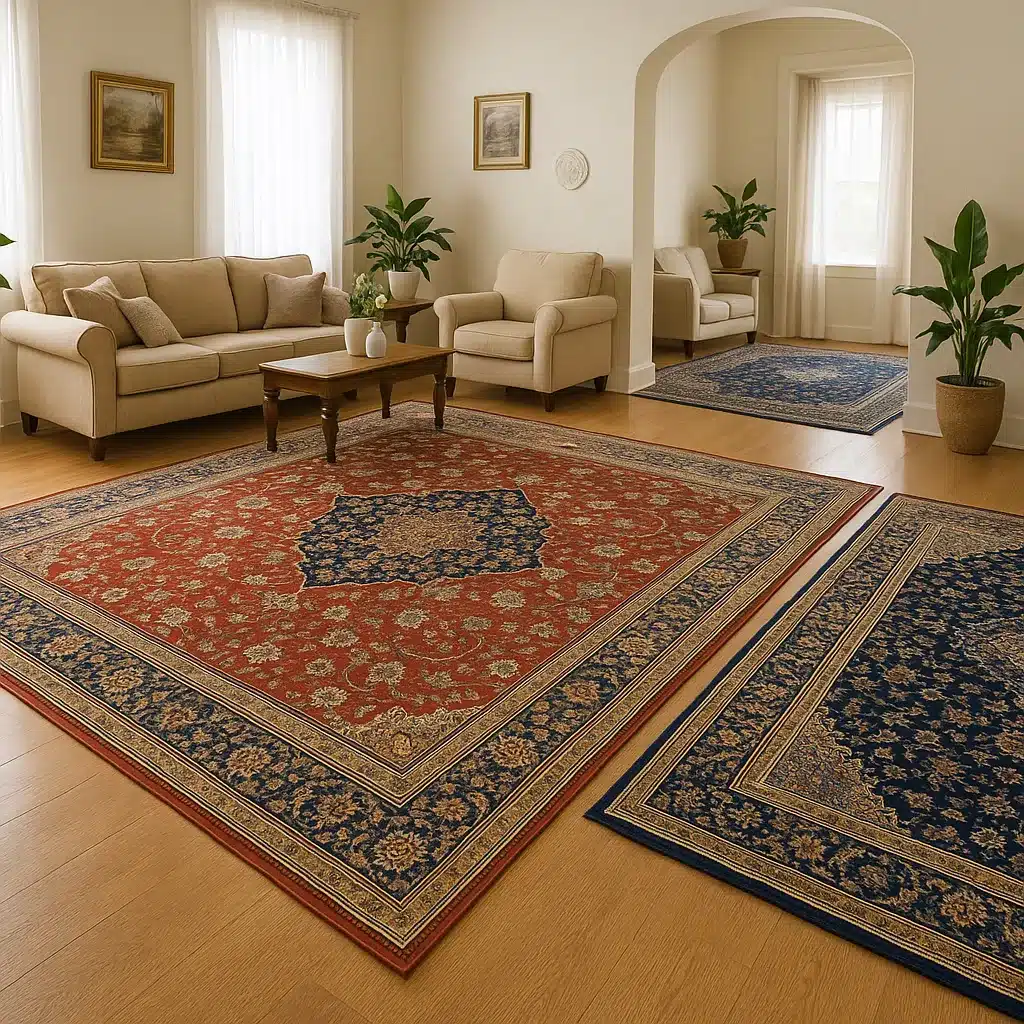
The value of a Persian rug is never guesswork—experts rely on key factors:
- Age: Antique (over 100 years) and semi-antique (50–99 years) rugs command premium prices, with top examples fetching $10,000–$50,000 or more at auction.
- Condition: Examine for restoration work, wear, or color bleeding—original condition increases desirability.
- Provenance: Rugs with documented origin, especially from famous weaving families or regions, are more valuable.
- Rarity: Limited runs, unusual designs, and unduplicated tribal patterns boost collectability.
- Complexity: Intricate, labor-intensive weaving—think high knot counts and sophisticated motifs—means lasting artistic and monetary value.
- Materials: Silk increases both price and prestige; natural dyes add to collectability.
“Every authentic rug is an heirloom investment, not just a household accessory.”
Tips for Buying & Market Insights
Today’s market reflects strong demand for antique and investment-grade Persian rugs—the right piece appreciates over time, blending home beauty with portfolio growth.
- Look for genuine handmade construction; machine-made rugs may mimic big patterns but lack the nuanced individuality experts and collectors prize.
- Ask for before and after restoration photos. These tell you not just about a rug’s history, but about the expertise and heritage preservation behind your investment.
- Seek professional authentication—especially for high-value purchases, as forgeries are common in global markets.
“Trust expert eyes and hands—identification is where thirty years of experience becomes your best guarantee.”
For hands-on evaluation strategies, see our guide, “Handmade vs Machine-made Persian Rugs: Key Differences.”
Persian rugs are living legacies—a unique blend of art, culture, and enduring value. Knowing the signs of authenticity and understanding what creates value lets you protect, enjoy, and pass on your investment for generations.
Conclusion
Persian rugs are far more than decorative pieces—they are living testaments to history, craftsmanship, and personal heritage. By investing in authentic Persian rugs and caring for them with expertise, you are not only enhancing your home but also preserving a vibrant chapter of world artistry for generations to come.
The true value of your rug lies not just in its intricate design, but in the story it carries, woven from centuries of tradition and family pride. Every step you take today directly safeguards its beauty and legacy.
—
Here are your key, actionable takeaways:
- Prioritize professional care: Schedule regular expert cleaning and restoration to protect colors, fibers, and value.
- Authenticate with confidence: Examine details like knot density, regional motifs, and artisan signatures—when in doubt, trust a specialist.
- Document your rug’s story: Keep records of provenance, restoration work, and appraisals to bolster lasting value.
- Celebrate your rug’s heritage: Share before-and-after images and the unique backstory of your rug with family and guests.
- Connect with experts: Leverage our thirty years of experience and free pickup, delivery, and installation for total peace of mind.
—
Ready to take action?
- Request a complimentary rug evaluation—let our master restorers assess and advise on preserving your investment.
- Book free pickup and delivery to experience effortless, white-glove care for your treasured pieces.
- Consult our team to discover your rug’s origin, value, and restoration opportunities—your heritage deserves nothing less.
—
A Persian rug is a living heirloom—more than a possession, it’s a story unfolding beneath your feet. Preserve the past, enrich your present, and let every step at home connect you to a world of timeless beauty.
Because in expert hands, every rug is a legacy renewed.
FAQs
1. What defines authentic Persian rugs?
Authentic pieces stand out for their craftsmanship, dyes, and regional identity—each reflecting centuries of Persian Rugs History and Types.
2. Why is learning Persian Rugs History and Types important for collectors?
Understanding Persian Rugs History and Types helps identify provenance, authenticity, and long-term investment value.
3. How do Persian Rugs History and Types differ by region?
Different regions—Tabriz, Isfahan, Heriz—produce distinctive motifs and weaving techniques within Persian Rugs History and Types.
4. Where can I restore or authenticate my Persian rug?
Visit our Rug Services page for professional restoration, cleaning, and certification based on Persian Rugs History and Types.
5. Where can I learn more about Persian rug heritage?
Explore UNESCO’s Persian rug heritage entry to deepen your understanding of Persian Rugs History and Types.