
amir
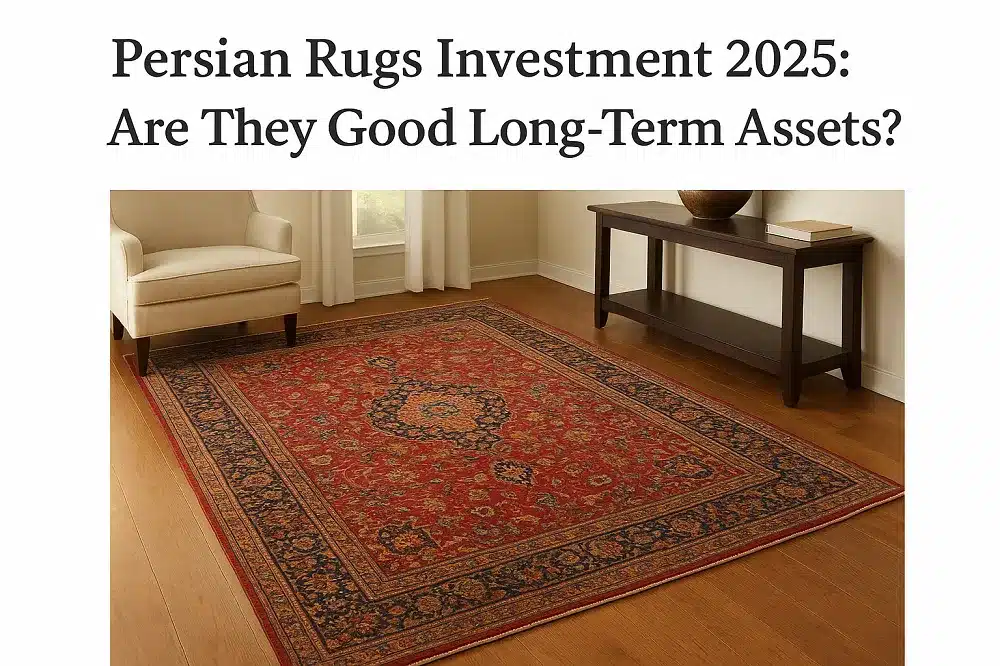
Persian rugs investment 2025 is a hot topic among Menlo Park homeowners and collectors seeking both timeless artistry and financial growth. Antique Persian rugs, with appreciation rates of 7–10% annually, are proving to be more than décor—they’re tangible assets with enduring legacy and rising market demand.
Here’s what every discerning collector or investor needs to know in 2025:
- Antique Persian rugs outperform many luxury assets, appreciating 7–10% annually thanks to rarity, collector demand, and time-honored artistry.
- Verified provenance and expert documentation can boost resale prices by 20–30%, making authentication essential for serious returns.
- Construction quality matters: Look for high knot density (200+ KPSI), natural dyes, and pristine condition to maximize both visual appeal and financial appreciation.
- Palace-size and century-old rugs command premiums—with top-tier examples fetching $70,000+ at auction and consistently outpacing newer or undistinguished pieces.
- Market growth remains robust: The global Persian rug market is projected to reach $15.8B by 2033 (CAGR 4.9%), fueled by affluent buyers and limited supply.
- Smart maintenance is non-negotiable: Rely on professional cleaning and restoration every 2–5 years (with free pickup/delivery) to preserve both beauty and value across generations.
- Heritage and artistry define wise investments: Focus on authentic pieces from renowned regions—Isfahan, Tabriz, Kashan—for legacy assets that blend timeless décor and portfolio strength.
- Plan for future liquidity: Document all purchases, maintain condition with expert help, and monitor evolving demand for sustainable materials and vintage authenticity when considering resale.
Investing in a Persian rug isn’t just about returns—it’s about preserving beauty, legacy, and value. Explore the full article to unlock expert strategies for building a rug collection that stands the test of time.
Introduction
Imagine a single heirloom beneath your feet quietly appreciating by 7–10% each year—at the same time that it transforms your home with timeless artistry and rich color.
For discerning homeowners in Menlo Park, authentic Persian rugs are more than décor—they are evolving assets, woven with centuries-old skill and designed to anchor both your living space and your family legacy.
You may be wondering: in a world where so many investments feel intangible, can a hand-knotted Persian rug still offer real financial returns—and peace of mind—in 2025?
The answer is yes, but not for every rug, and not for every buyer. Today’s market rewards those who recognize the nuanced difference between a decorative accent and a genuine collector’s piece.
Why does this topic matter right now?
- Global demand for antique Persian rugs is surging: projected to fuel a $15.8 billion market by 2033
- Expert restoration and verified provenance can elevate a family rug from sentimental value to appreciating asset
- Sanctions and scarcity are driving up prices for authentic, well-preserved pieces in premium markets like Menlo Park
If you’ve ever wondered whether your inherited rug is an overlooked investment—or if finding the perfect new piece could secure both beauty and future value—you’re in the right place.
In the following sections, you’ll learn:
- What separates this year’s best investment rugs from decorative lookalikes
- How market trends, authenticity, and expert care directly shape returns
- Proven strategies for acquisition, maintenance, and maximizing long-term appreciation
Whether you’re seeking to protect a family treasure or exploring your next legacy purchase, we’ll share knowledge born from 30+ years of trusted rug care and restoration—so you can invest with confidence, convenience, and a deep appreciation for heritage.
Step into the world of Persian rugs as investment assets, and discover how history, artistry, and returns all come together right beneath your feet.
Understanding Persian Rugs as Investment Assets in 2025
Persian rugs stand out as investment pieces for affluent homeowners and collectors seeking heritage, artistry, and strong financial returns.
Few luxury assets blend cultural significance, functional beauty, and monetary gain as seamlessly.
The premium Persian rug market thrives on unique characteristics that set these treasures apart:
- Hand-knotted craftsmanship using centuries-old techniques
- Cultural heritage tied to storied weaving regions like Isfahan or Tabriz
- Rarity and age: many antique examples are true one-of-a-kind artworks
- Intricate designs and natural dyes that ensure every rug is visually and structurally distinctive
Picture this: a well-preserved 19th-century Persian rug, its deep burgundy and gold tones still vibrant beneath your feet—a floor covering that’s also a legacy asset increasing by 7–10% annually.
Enduring Appreciation and Collector Demand
Antique and authentic Persian rugs have delivered 30+ years of stable returns for informed investors.
Historical data reveals that:
- Annual appreciation rates average 7–10% for select antique rugs
- Collector and designer demand remains unshaken, with the global Persian rug market set to rise from $10.5B in 2024 to $15.8B by 2033 (a 4.9% yearly CAGR)
- Authenticity, provenance, and expert restoration are central to sustained value
As a result, “A well-chosen Persian rug isn’t just décor—it is a portfolio cornerstone, passed down through generations.”
Persian vs. Oriental vs. Contemporary Rugs
Not all investment rugs are equal.
Key distinctions for prospective buyers:
- Persian rugs: Made in Iran, revered for historical weaving techniques and region-specific designs
- Oriental rugs: Include a broader group (Turkish, Caucasian, etc.)—some hold value, but generally less than Persian antiques
- Contemporary Persian rugs: Increasingly popular for their sustainability and modern palettes, but usually less robust in appreciation than classic antiques
A 2025 buyer should look for: provenance, high knot density, and rare motifs to optimize returns and ensure heirloom value.
The Appeal of Persian Rugs: Tangible and Intangible Value
Investing in Persian rugs means acquiring both a functional asset and a slice of history.
The most coveted pieces offer:
- Dense knots (over 250 per square inch in fine antiques), ensuring lasting structure
- Vibrant, natural vegetable dyes that age gracefully
- Signed or documented provenance—a feature that can add 20–30% to auction value
- Meticulous handwork: picture a master weaver tying every knot for months, creating a rug that often lasts a century or more
Equally, many rugs are treasured for the emotional value they represent as family heirlooms—each thread woven with stories of heritage and pride.
For Menlo Park’s discerning homeowners, a Persian rug isn’t just an accessory—it’s an investment in legacy and living artistry.
The smartest investors look beyond the floor beneath their feet and see Persian rugs as tangible assets with enduring value, timeless appeal, and stories worth preserving for generations.
Market Landscape: Current Trends and Data
The Persian rug market in 2025 is thriving, blending heritage with modern tastes and robust global demand.
Authentic, antique, and vintage Persian rugs garner the most attention, especially from collectors, investors, and designers who seek unique works of art with enduring value.
Market Size and Growth Projections
- Global market value reached $10.5 billion in 2024.
- Projections show growth to $15.8 billion by 2033, driven by a CAGR of 4.9%.
Affluent homeowners and designers are fueling this growth, with the surge especially visible in U.S. regions like Menlo Park, where luxury interiors and appreciation for fine craftsmanship intersect.
Key factors powering this market include:
- Luxury décor trends and increased demand for statement pieces.
- Rising household affluence and focus on heritage preservation.
- Geopolitical challenges, such as Iranian export sanctions, which push international prices up by 20–30% and intensify the scarcity—and allure—of authentic Persian rugs.
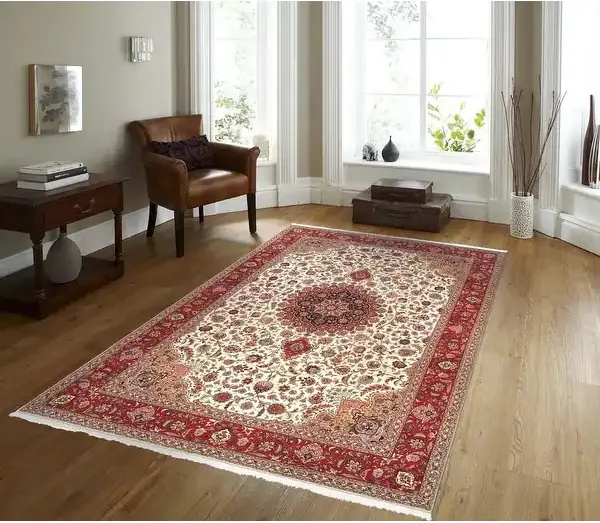
Picture this: a Menlo Park living room aglow with deep burgundy, cream, and gold, anchored by a museum-quality Persian rug—both a family treasure and a growing asset.
Market Segments and Buyer Profiles
The market now reflects diverse buyer motivations and tastes:
- Antique/Vintage Rugs: Draw serious collectors and investors, offering appreciation rates of 7–10% annually.
- Contemporary Persian Rugs: Target design-conscious buyers interested in:
- Sustainable materials (eco-wool, plant-based dyes)
- Minimalist palettes and innovative organic/synthetic blends
- Entry market: Mostly small wool rugs ($250–$800) and first-time collectors.
- Mid-tier: Mid-sized or regionally significant pieces ($700–$2,500) bought by homeowners seeking artistry and heritage.
- High-end: Rare, palace-sized, or antique silk rugs ($3,000–$70,000+) prized by seasoned collectors, investors, and designers.
Social media-ready insight: “A single antique Persian rug can outpace traditional investments—both as a financial asset and a piece of family history.”
Influencers in the Premium Rug Market
- Busy families and professionals in Menlo Park are preserving family stories through expert curation and restoration.
- Interior designers shape demand for exclusive pieces, often competing for the rarest finds.
- Discerning buyers now prioritize:
- Documented provenance
- Unmatched artistry
- Commitment to sustainability
By recognizing the nuanced buyer landscape and favoring timeless design, investors and collectors can confidently navigate a market defined by both beauty and solid returns.
In summary, the 2025 Persian rug market thrives on quality, authenticity, and changing lifestyle values, making it a compelling investment arena for those who appreciate both heritage and performance.
Factors Influencing Investment Value
What determines whether a Persian rug becomes a treasured asset or just a decorative piece? It all comes down to a select group of value-driving characteristics that serious collectors and knowledgeable homeowners never overlook.
Expect well-chosen antique Persian rugs to appreciate annually by 7–10%—if they tick the right boxes for rarity, authenticity, craftsmanship, and condition.
Authentication & Provenance
The story woven into your rug matters as much as its fibers.
- Verified origin (e.g., Tabriz, Isfahan, Kashan) dramatically boosts desirability and auction prices.
- Full documentation—including professional evaluations and certificates of authenticity—gives buyers confidence and protects your investment.
- A well-documented provenance can mean the difference between resale success and uncertainty.
Picture this: A collector receives a certified Persian Kashan with historic documentation. Its value soars at auction, while an equally beautiful, undocumented rug stalls.
Quotable:
“With verified provenance, a rug’s value becomes a legacy—without it, just a question mark.”
Construction, Materials, and Condition
A rug’s construction is its passport to value. The finer the details, the higher the price.
- Knot density (measured in KPSI) signals artisan mastery—200+ KPSI indicates exceptional quality.
- Materials matter:
- Silk rugs command higher prices for their luster and refinement
- Wool rugs offer durability and rich texture
- Blended fibers often see lower appreciation
- Natural dyes and traditional weaving methods ensure timeless colors and pattern definition.
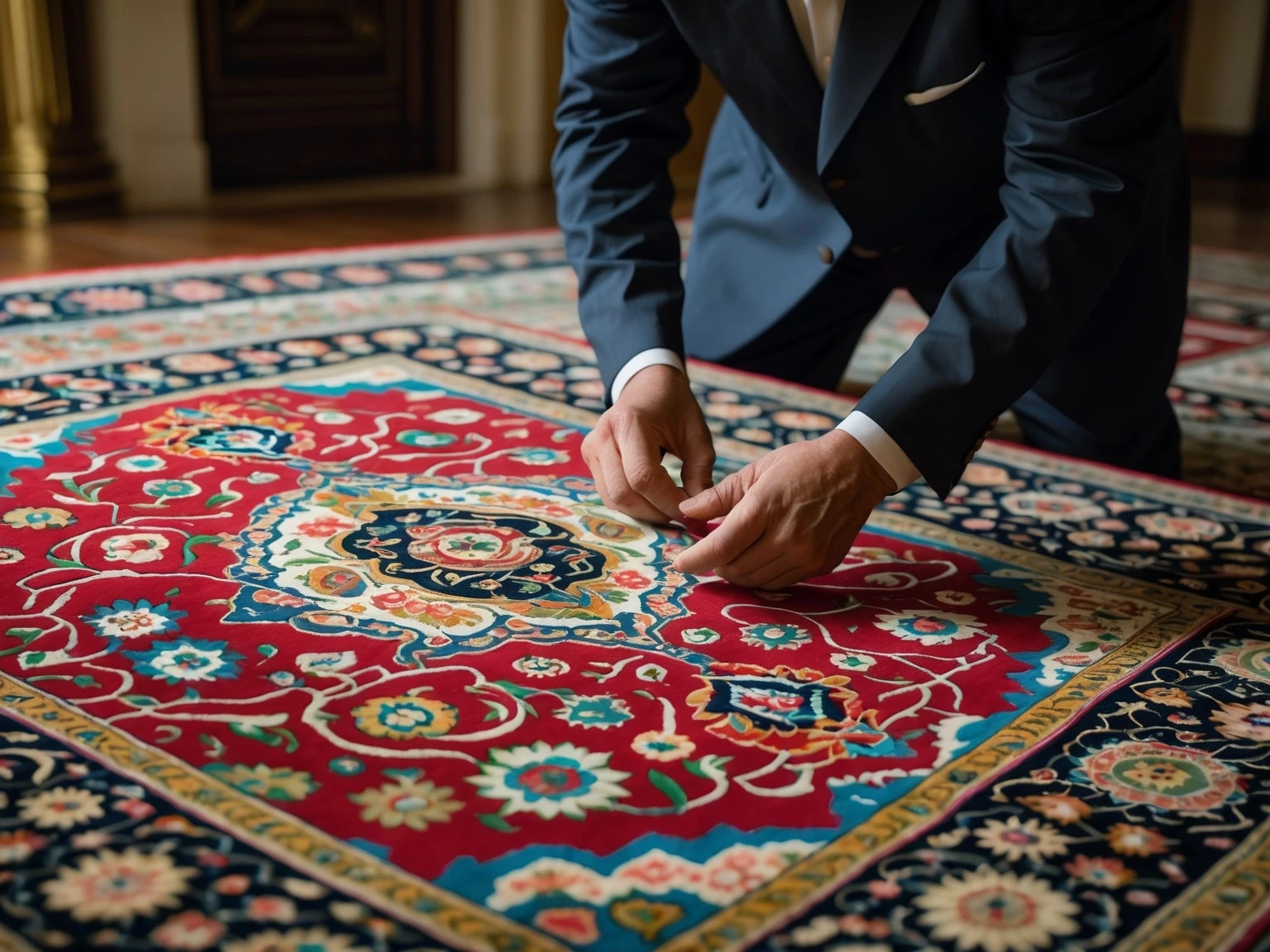
- Pristine condition and expert restoration preserve both aesthetic and market value over decades.
Imagine a faded mid-century Qum restored to vibrancy—suddenly as coveted as any contemporary artwork.
Quotable:
“Every expertly restored Persian rug is a new chapter opened in a generational story.”
Size, Age, and Regional Origin
When it comes to investment, bigger and older can be better.
- Palace-size rugs (often 10×14 feet and above) are rare, with auction prices climbing beyond $70,000 in 2025.
- Rugs 100+ years old hold persistent collector appeal—condition allowing.
- Origin counts: Pieces from Tabriz, Isfahan, Kashan, and Nain routinely outpace their contemporaries due to reputation and technique.
A local Menlo Park homeowner may see a century-old Isfahan inherited from family transform both interiors and asset statements alike.
Quotable:
“Some rugs don’t just complete a room—they carry the weight of centuries and the promise of future appreciation.”
Current Pricing Benchmarks (2025)
By the numbers, pricing in 2025 is highly dependent on these key factors.
- Small wool rugs: $250–$800
- Mid-size wool or semi-antique rugs: $700–$2,500
- High-end silk or antique rugs: $3,000–$20,000+
- Rare palace carpets or museum-quality imports: $70,000 and up
- Online platforms and major auction houses are driving greater price transparency and easier comparisons for both buyers and sellers.
Today’s buyers expect it: seeing a $12,500 antique Tabriz achieve the same value across multiple global platforms.
Ultimately, the smartest Persian rug investments are built around authenticity, craftsmanship, and careful stewardship—qualities that ensure your rug can remain both a personal masterpiece and a sound financial asset.
Navigating Opportunities and Risks in the 2025 Market
Persian rugs continue to hold a unique place in the investment landscape, blending cultural artistry with tangible asset growth. In 2025, well-preserved antique Persian rugs appreciate at an impressive 7–10% annually, according to historical sales data and current market analytics.
Picture this: A 1920s Kashan rug, purchased by a Menlo Park family for $8,000 in 2015, reached $16,000 at auction in early 2024. Collectors and designers are driving private sales of rare, palace-size carpets for $70,000 or more, underscoring how provenance and quality turn textiles into investment treasures.
—
Appreciation and Historical Returns
The allure of Persian rug investment is grounded in consistent, double-digit returns for prized pieces. Key takeaways from recent sales include:
- Antique rugs: 7–10% appreciation annually, with record-setting auction results in New York and London
- Notable sales: 19th-century Tabriz carpets resold at 2–3x original purchase price within a decade
- Consistent liquidity: Vintage and rare rugs routinely outperform many contemporary luxury assets
These figures show that “a Persian rug is not just décor, but a portfolio asset you can walk on”—an apt reminder for first-time collectors.
—
Market Risks and External Pressures
Despite growth, investment risk is real. The following market forces demand attention:
- U.S. sanctions and export barriers: Direct imports from Iran face 20–30% price increases, tightening authentic supply
- Machine-made and synthetic competition: Cheaper lookalikes can blur buyer judgement, affecting both value and resale
- Volatility factors: Global economic shifts, changing design tastes, and supply constraints drive unpredictable market swings
Picture an investor poised to buy, only to see authentic inventory disappear amid tightening export rules—timing and expertise are critical.
—
Trends Shaping the Future: Sustainability and Technology
2025’s Persian rug market is as much about innovation as tradition. High-potential trends include:
- Eco-friendly materials & recycled content: New buyers seek rugs with natural dyes, organic fibers, or upcycled wool
- Smart textiles and tech integration: Blockchain-based digital authentication, augmented reality previews, and QR-coded provenance reports are becoming the new standard
- Ethical sourcing: Transparent supply chains and heritage preservation are now top criteria for discerning, social-conscious buyers
Picture a beautifully lit living room: the rug underfoot tells its full history via a smartphone tap—a powerful blend of tradition and technology.
—
Every Persian rug investment in 2025 carries both timeless potential and real-world complexity. The best investments combine rigorous authentication, careful stewardship, and market awareness—so you can enjoy both the beauty beneath your feet and the value it adds to your home and portfolio.
Best Practices for Investing in Persian Rugs
Acquisition Strategy
Smart investing in Persian rugs begins with selecting the right sources—think trusted, certified dealers and established auction houses.
Focus on rugs that offer:
- Documented provenance (authenticity paperwork and history)
- High knot density and vivid colors (visible markers of artistry)
- Exceptional older examples (antique, vintage, or rare designs)
Picture this: You’re viewing a gallery wall of fine rugs, each with a tag revealing its origin story—and its future investment value.
“Each authentic Persian rug combines centuries-old artistry with proven asset appreciation,” is a core principle driving today’s market.
Ongoing Maintenance and Value Preservation
Maintaining your rug’s integrity is non-negotiable for long-term value.
Top strategies include:
- Professional cleaning and repair (preferably every 2–5 years)
- Climate-controlled storage or proper in-home placement
- Rotation to prevent uneven fading or wear
Benefit from services like free pickup and delivery, making expert care effortless for busy or elderly clients.
Imagine a seamless restoration process: your family’s heirloom leaves with gentle hands and returns revived, brighter, and ready for years of enjoyment.
“Proper maintenance can add decades to a Persian rug’s lifespan and secure its place as a family treasure,” is more than advice—it’s a proven value multiplier.
Exit Strategy and Resale Considerations
Understanding market liquidity can make or break your return.
Maximize future value by:
- Keeping up-to-date documentation and receipts
- Tracking rug condition with before-and-after photos
- Connecting with reputable buyer networks and auction platforms
Monitor shifting interior design trends—rich vintage tones and eco-friendly textiles are gaining favor in 2025—affecting both sale speed and price potential.
Think of your rug as both investment and design statement: when market tastes lean toward artisan heritage, your well-preserved piece becomes the centerpiece buyers are searching for.
By following these investment best practices, you ensure that your Persian rug remains both a visually stunning home feature and a steadily appreciating asset—preserving beauty, heritage, and real value for years to come.
Strategic Overview: Is a Persian Rug the Right Investment for You?
Considering Persian rugs investment 2025 for your portfolio? These textile treasures combine artistry, cultural heritage, and strong financial performance, making them one of the most compelling opportunities in today’s collectibles market.
Picture this: a handwoven, antique Persian rug gracing your Menlo Park living room—an heirloom admired by guests while appreciating 7–10% annually. That’s the dual promise of beauty and financial growth that defines Persian rugs investment 2025.
Decision-Making Framework: Quick Considerations
For busy professionals exploring Persian rugs investment 2025, these three steps bring clarity:
-
Assess Your Priorities: Do you value legacy, design, or ROI? With Persian rugs investment 2025, you can achieve all three.
-
Budget Realistically: Small wool pieces start at $250, while rare antiques can exceed $70,000, proving the scalability of Persian rugs investment 2025.
-
Establish Your Timeframe: Patience is key—antique rugs often reward long-term holders in Persian rugs investment 2025.
A rug’s worth isn’t just financial—it’s interwoven into your family’s story, a reminder that Persian rugs investment 2025 creates both memories and returns.
Weighing Cultural Heritage, Enjoyment, and ROI
Each authentic Persian rug carries history. With Persian rugs investment 2025, you gain not just décor but a cultural heirloom.
-
Collectors and designers are actively shaping demand for Persian rugs investment 2025, driving interest in vintage masterpieces.
-
Sustainable, innovative designs also play a role, yet antiques remain the gold standard in Persian rugs investment 2025.
-
Families who embrace Persian rugs investment 2025 enjoy both daily beauty and generational financial security.
“A Persian rug grows in value as it weaves into your family’s history”—and that’s the essence of Persian rugs investment 2025.
Expert Guidance and Legacy Planning
To maximize your Persian rugs investment 2025, consult seasoned appraisers and restoration experts. The Persian Rug Clinic offers trusted evaluations, cleaning, and installation—services that protect and elevate your asset.
Taking advantage of professional care ensures your Persian rugs investment 2025 remains vibrant for decades. Discuss legacy goals with experts—whether you intend to pass down a rug as an heirloom or realize significant returns through resale.
Visualize Your Next Investment
Imagine rich burgundy and gold hues underfoot, intricate motifs drawing the eye, and the quiet confidence of owning a heritage asset. This is the reality of Persian rugs investment 2025—a balance of luxury, culture, and ROI.
Choosing wisely means your Persian rugs investment 2025 becomes both centerpiece and portfolio asset, growing in value while enriching your daily life.
Conclusion
A Persian rug is far more than décor—it is a tangible legacy. With Persian rugs investment 2025, you embrace heritage, artistry, and financial strength in a single asset.
To fully unlock this opportunity:
-
Prioritize authenticity and provenance—these are the foundations of Persian rugs investment 2025.
-
Partner with trusted experts for acquisition and restoration.
-
Commit to regular professional care, ensuring your Persian rugs investment 2025 remains both heirloom and appreciating asset.
-
Monitor trends and market shifts to maximize returns.
With the right approach, Persian rugs investment 2025 isn’t just a purchase—it’s a story, a statement, and a secure legacy woven into the fabric of your home.
Ready to take action?
- Schedule a professional evaluation of your current rugs to assess hidden value.
- Connect with a trusted rug clinic for expert advice on selection and care.
- Start documenting your rug’s story—provenance protects value and legacy alike.
- Share your inspiration: showcase your rug’s journey or ask friends for their own stories—the best investments are those that connect us.
—
Your next Persian rug isn’t just a floor covering—it’s a story, a statement, and a future asset ready to be woven into your family’s history.
Invest in art you can live with; choose beauty that appreciates—with expert guidance, the legacy begins at your feet.
“Every great home deserves a rug with a story worth telling—and passing forward.”
FAQs
Q1. Why is Persian rugs investment 2025 considered a smart choice?
Persian rugs investment 2025 is smart because authentic antique rugs appreciate 7–10% annually while enhancing home interiors with heritage artistry.
Q2. How does provenance impact Persian rugs investment 2025?
Verified provenance dramatically boosts Persian rugs investment 2025 value, often adding 20–30% at auction.
Q3. What are the risks in Persian rugs investment 2025?
The main risks in Persian rugs investment 2025 include sanctions, authenticity challenges, and fluctuating design trends.
Q4. Can modern rugs play a role in Persian rugs investment 2025?
Yes, sustainable contemporary pieces are gaining traction, though antiques remain the strongest segment of Persian rugs investment 2025.
Q5. Where can I find expert help for Persian rugs investment 2025?
Trusted services like Persian Rug Clinic offer evaluation, restoration, and investment guidance, while external resources such as Christie’s Auction House provide global market insights.